Window Adjustment
Stuck, swollen, painted shut, or riding crooked — most "bad" windows are good windows out of tune. We free them, square them, and seal them so they keep working, in what's usually a single visit.
replacement
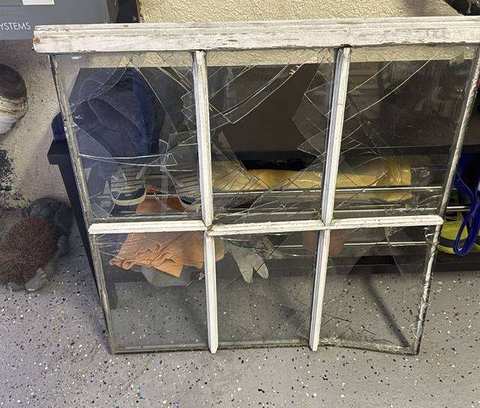 Before
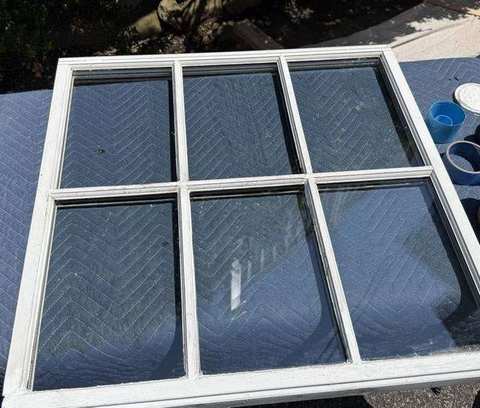 After
AfterThe most-skipped repair
in every old house.
Walk through any pre-war home in Glen Ridge or Maplewood and count the windows nobody opens. Not broken windows — abandoned ones: painted shut in 1987, swollen every summer since, or just stiff enough that the household quietly rerouted around them. Stuck windows are the repair people live with longest, because the workaround is so easy — open a different window — and the failure never announces itself with a bang the way a dropped sash does. But the costs accumulate silently: bedrooms whose egress window won't open in an emergency, rooms that can't cross-ventilate in May, locks that can't lock because the sash never seats, and eventually a replacement salesman gesturing at windows whose only defect is a sixteenth of an inch of paint.
Why stuck windows are the best repair value in the trade
Here's the open secret: adjustment is skilled work, but it is fast skilled work. No parts to order, no glass to cut, no wood to rebuild — blades, planes, wax, sealant, and experience. That's why we quote tune-ups by the visit rather than by the crisis, and why the smart move is the whole-house list: if one window is painted shut, its siblings from the same paint job are too, and freeing six windows in one trip costs nothing like six service calls. Homeowners are consistently surprised at how far down the "someday" list one visit reaches — every window opening, locking, and sealing by dinner.
- Egress restored — bedroom windows that open when it matters. This alone justifies the visit; it's a life-safety fix priced like a tune-up.
- Ventilation back — cross-breezes in rooms that haven't had one in years, which also helps the moisture load that swells sashes in the first place.
- Locks that lock — aligned hardware means real security and compressed meeting rails, which is where a double-hung's weather seal actually lives.
- Paint jobs that last — we prep freed windows so the next repaint doesn't glue them shut again.
- An honest inspection — while every sash is in hand, wear and early rot get spotted years before they get expensive.
The line we won't blur
Adjustment fixes friction and alignment — the grips of paint, swelling, and geometry. It does not fix a failed balance, a snapped cord, or wood going soft, and we won't pretend otherwise to pad a visit. When the eight-point pass turns up one of those, you get a plain sentence about what we found, what it costs to fix, and a link's worth of explanation — balances, sash mechanics, or rot — priced separately and only if you want it. Most of the time, the answer is simpler: the window was never broken. It was gripped. Now it isn't.
Window adjustment & stuck window service across Glen Ridge, Maplewood, Millburn & northern NJ · West Caldwell, NJ · Mon–Fri 8:00 AM – 6:00 PM · (973) 564-0958
The shortest job we do —
done properly anyway.
Send the stuck list
A photo per problem window — or just count them. We'll tell you what's gripping each one and quote the whole tune-up at once.
Answer same dayOne scheduled visit
We arrive with blades, saws, planes, wax, and sealant — the freeing kit — and work through every window on the list, room by room.
Within 1–2 daysFree, square, seal
Each window is freed without trim damage, eased to correct clearance, aligned so the lock lands, and sealed so the season can't grip it again.
Usually same visitPrefer to talk first? Call (973) 564-0958 — Mon–Fri, 8 AM–6 PM.
What "adjustment"
actually covers.
Every window on the list gets the same eight-point pass — because freeing a window without tuning it is a repair with a return date.
Score and free: paint bridges cut at every seam, sash floated loose without prying. Dress the channels: accumulated paint cleaned out of the jamb runs so the sash rides wood, not ridges. Ease the fit: high spots planed to restore designed clearance — enough to move, little enough to seal. Seal the edges: exposed end grain and sash edges sealed so summer humidity can't swell the fit shut again. Wax the runs: contact surfaces dressed so the window glides instead of grinding. Square the travel: sash seated evenly so it rises level and meets the rails flat. Align the hardware: locks, keepers, and lifts adjusted until they engage with one finger. Check the mechanicals: cords, balances, and pulleys inspected while the sash is accessible — if wear is coming, you'll hear it from us first, with no obligation.
That last point is the honesty clause. An adjustment visit is the cheapest look inside your windows you'll ever get, and sometimes it finds more than paint — a balance on its last season, soft wood starting at a sill. We'll name what we see and leave the decision with you. Sticking that turns out to be a failed balance belongs on our spring replacement page; soft wood belongs to rot repair. Most windows just need the eight points and a decade of being left alone.
No pry bars, no broken stops, no shortcuts — the trim you have is the trim you keep.
Five grips, five releases —
all explained.
My window is completely stuck. What's actually holding it?
One of three grips, and telling them apart is the diagnosis. Paint is the most common: every repaint bridges the hairline gap between sash and stop, and enough layers effectively glue the window into its frame on all four sides. Swelling is seasonal: New Jersey humidity pumps moisture into unsealed wood edges, and a sash that cleared its channels in March binds tight in July. Geometry is the sneaky one: settled framing, a sagged sash joint, or paint-thickened jamb channels that have simply grown narrower than the sash trying to ride them. Each grip has its own release — scoring and slitting for paint, planing and sealing for swelling, channel dressing and re-squaring for geometry — and using the wrong one is how windows get wrecked. The universal wrong answer is the pry bar, which converts all three problems into a fourth: broken trim and cracked stiles. A photo of the window, inside and out, usually tells us which grip you've got — answered the same day.
Can a painted-shut window really be opened without damaging the trim?
Yes — it's patient work, not forceful work. The paint bridges are cut, never broken: we score every seam where sash meets stop, bead, and sill with a blade, then work a thin sash saw through the bonded lines until the sash floats free on its own. What makes the job professional isn't the freeing — it's what happens next. The paint that glued the window also lines the jamb channels, so a freed sash that isn't followed by channel cleaning, light planing, and a waxed run will grind, stick, and get painted shut again at the next repaint. We finish by easing the contact surfaces and showing you the two-minute trick that keeps future paint jobs from resealing the window. Stops stay on, trim stays whole, and the finish damage is minimal to none. Done with a putty knife and a hammer — the internet's favorite method — the same window loses its stops, its paint, and sometimes its glass.
Why does my window only stick in summer?
Because wood is a hygroscopic material living in a humid state. Every July, moisture in the air migrates into any wood surface that isn't sealed — and the edges of window sashes are the most commonly unsealed surfaces in a house, since painters coat the faces but skip the concealed edges. The sash swells a millimeter or two, the designed clearance disappears, and the window binds until October dries it back out. The lasting fix is not sanding the window looser every summer — that leaves it rattling loose all winter. It's restoring the correct clearance once, then sealing the edges and end grain so the seasonal moisture swing can't reach the wood. A properly eased and sealed sash works in August and seals in January. While we're at it, we check that binding hasn't been masking other wear — a swollen window that got forced for two summers has often loosened its joints or stressed its balances, and catching that early keeps a small job small.
My window lock won't line up anymore. Is that an adjustment problem?
Almost always — and it's one of the fastest fixes we make. A double-hung lock is a cam on the lower sash reaching for a keeper on the upper one; a casement lock is a latch meeting a strike on the frame. Neither cares about the hardware — they care about position. When sashes ride unevenly because a channel is paint-narrowed on one side, when a hinge or balance lets one corner sag, or when the meeting rails no longer land level, the cam misses the keeper by an eighth of an inch and the lock "breaks." The repair is alignment: square the sash's travel, seat it evenly, and the existing lock closes with one finger. This matters beyond convenience — an unlocked window is a security gap, and a lock that won't compress the meeting rails also won't seal them, which is where winter drafts come from. If the sash sags because a balance or spring has failed rather than from misalignment, we'll tell you plainly and point you to the right repair — that one lives at window balance repair.
Is a window tune-up really worth a service call?
Put it against the alternatives. Living with stuck windows costs ventilation, fire-egress safety — a bedroom window that won't open is a code and safety issue, not a quirk — and locks that don't lock. Forcing them costs trim, glass, and joints. And "maybe it's time for new windows," the thought every stuck sash eventually provokes, costs $23,000+ per house in our area. Against all three, a tune-up visit is the cheapest thing on the menu: we typically free and adjust every problem window in the house in a single trip, priced as one modest service call rather than per-crisis. It's roughly 80% less than replacing even one of the windows involved, it's backed by our 5-year workmanship warranty, and the crew is fully insured. Most Glen Ridge and Maplewood tune-ups are booked from a single photo: answer the same day, visit within 1–2 days, done inside 1–2 weeks — usually far inside.
When the window needs
more than an adjustment.
Send us a photo — get a real answer today
Tell us what's going on and attach a picture of the damage. We'll tell you honestly whether it's rot, whether it can be repaired, and roughly what it costs.
Every window in the house,
working — by next week.
Count the stuck ones, snap a photo of the worst, and send it over. One visit, one modest bill, and the whole house opens again.