Rotten Door Frame & Sill Repair
Nine times out of ten, door rot lives in the bottom twelve inches of the frame. We rebuild those inches — jamb, sill, and threshold — and leave your door hanging right where it is, for about 80% less than replacement.
replacement
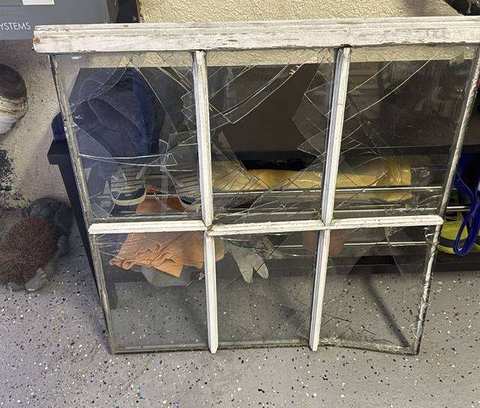 Before
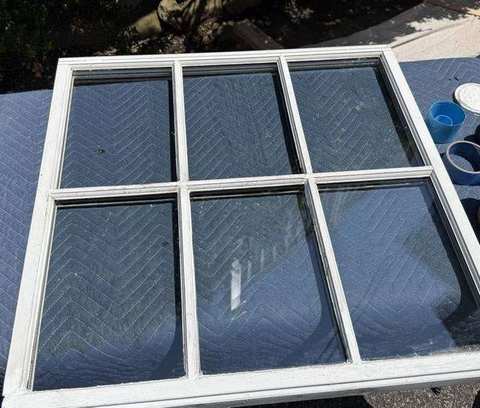 After
AfterNobody told you it could be repaired.
Most homeowners hear one option — replacement — because that's what the company at the door sells. Here's the comparison nobody hands you.
Repair with RotGone
- Original wood stays — including profiles nobody manufactures anymore
- 1–2 weeks, not months of lead time
- Same sightlines, same glass line, same house
- 5-year workmanship warranty
Full replacement
- "5–8 windows for $23,000" works out to $2,900–4,600 each
- Vinyl swaps old-growth wood for plastic that can't be repaired later
- 4–8 weeks including manufacturing lead time
- Trim, sills and interior casing get rebuilt around the new unit
Prices depend on how far the decay actually goes — that's what the free assessment is for. And we'll tell you honestly when replacement really is the right call; it happens, and you'd rather hear it from us than find out afterwards.
Ninety percent of door rot
lives in the bottom foot.
Walk any street in Chatham or Livingston after a rainstorm and watch what happens at the front doors: water sheets off the door face, splashes off the stoop, and lands exactly where the vertical jamb meets the sill. That intersection — the bottom twelve inches of the frame — absorbs more water per year than any other wood on the house, and it shows in our job log: the overwhelming majority of rotted door frame calls involve decay in that one zone, with the upper frame perfectly sound. Which raises the obvious question nobody selling you a $10,000 door replacement wants asked out loud: why replace an entire door system when the damage occupies one foot of one jamb?
What a rotting frame does before it looks bad
Door frame rot announces itself functionally before it does visually. The deadbolt starts needing a hip-check to throw, because the softening jamb is letting the frame shift out of square. A draft appears at the bottom corner that weatherstripping can't seem to fix, because the wood the weatherstripping presses against is collapsing. Paint at the jamb base bubbles and flakes off in sheets. The interior trim shows a faint gray water line. Ants appear — carpenter ants don't eat wood, but they excavate wet, rotted wood to nest in, and their presence at a door frame is nearly diagnostic. Then one day the casing at the base crumbles under a vacuum-cleaner bump, and you're searching "rotted door frame" at 10 PM. Every stage of that story is repairable; the earlier ones are just cheaper.
The security cost of soft wood
Here's the part that moves door frame rot repair from a maintenance list to a this-month list. Your locks are only anchored to wood. A deadbolt in a rotted jamb is a steel bolt held by screws in oatmeal — forced-entry attempts target exactly this, because a kick that a healthy frame shrugs off will burst a decayed one at the strike plate. Drafts are the same failure in slow motion: the compromised base lets the frame rack, the door stops meeting its stops evenly, and your heating dollars leak out the gap all winter. Rebuilding the base with spliced hardwood-grade repairs restores what the lock actually depends on — screw-holding density — and squares the frame so the door seals again. We finish with extended strike screws into the stud behind the jamb, which is cheap insurance no rotted frame should go without.
Entry, French, and patio doors each rot their own way
- Entry doors rot at the jamb bases and threshold ends, fed by stoop splash-back and missing drip caps — the classic bottom-twelve-inches pattern.
- French doors double the exposure: two leaves, a vulnerable center meeting point, and four jamb-to-sill joints instead of two. The inactive leaf's base, rarely opened and never inspected, is where we find the worst surprises.
- Patio doors collect water in the sill track itself — leaves clog the weep holes, water stands against the frame, and the rot starts from inside the track where nobody sees it until the wood at the corners goes dark.
All three share the same repairable anatomy, and all three are candidates for the same math: entry door replacements run $10,000 and up, French and patio door projects more, while rebuilding the rotted sections runs about 80% less. Backed by our 5-year workmanship warranty, performed by a fully insured crew, and rated 5.0 on Google by homeowners from Summit to West Caldwell who kept their original doors.
Rotten door frame repair across Chatham, Livingston, Summit, West Caldwell & Essex County · Mon–Fri 8:00 AM – 6:00 PM · (973) 564-0958
Typical entry door replacement, installed — quoted for rot in the bottom foot of a jamb. Whole-house window projects: $23,000+.
A door for a jamb's mistakeJamb spliced, threshold renewed, water path sealed — 80% less than replacement, 5-year workmanship warranty included.
Same door, solid againBecause you use this door
every single day.
Text the damage
Photograph the jamb base and threshold. Same-day verdict: repairable or not, with a price range attached.
Same dayProbe & secure
We map how high the rot climbs, check the strike-plate wood, and confirm the sill under the threshold is sound.
Within 1–2 daysSplice, seal, swing
New wood or structural epoxy at the base, threshold replaced if needed, joints flashed. Door swings and locks that night.
1–2 weeksPrefer to talk first? Call (973) 564-0958 — Mon–Fri, 8 AM–6 PM.
Splash zone carpentry,
done to hold a deadbolt.
Door frame repair is its own discipline because the frame is load-bearing hardware territory: hinges torque it, deadbolts slam into it, weatherstripping compresses against it a dozen times a day. Our standard repair cuts the rotted jamb base back to sound wood with an angled scarf that sheds water, then splices in a dutchman of matching species — glued, pinned, planed flush — so hinge and strike screws bite into real grain again. Where decay is shallow, epoxy consolidation rebuilds the jamb face to full hardness without disturbing the door's fit at all.
Below all of it sits the part most contractors skip: the sill and threshold. A punky threshold gets replaced in rot-resistant stock over a flashed sill pan, sloped to drain, sealed at the jamb joints where end grain drinks water. Then we correct whatever delivered the water — failed caulk lines, a missing drip cap, splash-back off a settled stoop. Element replication covers the ornate casings on older entries. The result: a door that swings true, locks solid, and seals tight, on a frame that's ready for another few decades of weather.
Every door repair ends with a locked, weathertight, draft-free entry — the same evening.
Everything owners ask when
the jamb goes soft.
What does rotten door frame repair cost versus a new door?
A prehung entry door replacement in northern NJ — unit, demolition, installation, locksets, trim, paint — routinely lands at $10,000 or more, and that number was probably in the quote that sent you searching. Repairing the rotted portion of the frame instead typically runs about 80% less, because you're paying a carpenter to rebuild twelve inches of jamb and perhaps a threshold, not buying a door system. The rest of the frame, the door slab, the hinges, the lockset, and the trim you already own all stay in service. We put both numbers on one page in the written estimate — repair beside replacement — and let you do the choosing. The photo assessment that starts it all is free and answered the same day at (973) 564-0958.
Is a rotted door frame a security risk right now?
Treat it as one. The strike plate — the metal piece your deadbolt throws into — is only as strong as the jamb wood holding its screws, and on most doors that plate sits within reach of the moisture zone at the frame's base. Rot that has climbed the jamb can reduce the wood behind the strike to the point where a hard kick tears the screws free; testing this is exactly how burglars choose doors. If you can dent the jamb near the strike plate with a thumbnail, call us sooner rather than later. The repair restores full-density wood at the strike — a spliced dutchman or cured structural epoxy both hold screws at strength — and we reinforce with longer strike screws that reach the framing stud behind the jamb.
How fast can you repair a rotted door frame?
Door work gets priority scheduling, because a compromised entry is a daily-use and security problem, not a cosmetic one. The clock runs like this: text photos of the jamb and threshold and you'll have an answer today; we're onsite within 1–2 days to probe how high the rot climbs and whether the sill under the threshold is involved; and the repair is finished within 1–2 weeks of your approval — with most single-door jobs done in one day on site. Your door locks normally every night in between, because we never leave an opening unsecured, mid-repair or otherwise. Hours are Mon–Fri, 8 AM–6 PM, and the 5-year workmanship warranty starts the day we finish.
Do you use epoxy or new wood on door frames — and which lasts?
Both, chosen by depth and duty. Door frames earn stricter judgment than window trim because they take slams, kicks, and deadbolt loads. Shallow decay in a jamb face — probe stops within a half-inch, sound wood around it — is consolidated with penetrating epoxy and rebuilt with structural filler that cures harder than the pine it replaces; done right, it outlasts the paint. Deep rot at the jamb base or anywhere near hinge and strike hardware gets new wood: we cut back to sound material and splice in a matching dutchman, glued and pinned, because screws need real grain to bite into. Thresholds that have gone punky are replaced outright, in rot-resistant stock, over a properly flashed sill pan. Every route carries the same 5-year workmanship warranty.
Why did my door frame rot when my neighbor's never has?
Almost always: water delivery, not wood quality. The usual culprits, in the order we find them — no overhang or a too-small portico, so rain hits the door face and runs to the sill; gutters overflowing above the entry, dumping sheets of water past the threshold; a porch or stoop slab that has settled and now tilts toward the house, pooling water against the frame; sprinklers hitting the lower jamb every morning all summer; and on newer builds, a missing sill pan under the threshold letting every wind-driven storm wick into end grain. Part of our assessment is naming your culprit, because rebuilding the wood without correcting the water path just schedules the next repair. Fix both and the frame stays fixed.
Rot repair for the rest of the house.
Send us a photo — get a real answer today
Tell us what's going on and attach a picture of the damage. We'll tell you honestly whether it's rot, whether it can be repaired, and roughly what it costs.
Your door is fine.
Its foundation isn't. Yet.
Twelve inches of jamb should not cost you a five-figure door project. Send a photo — we'll answer before tonight.