Window Reglazing
A bead of putty is all that stands between the rain and the wood holding your glass. When that line cracks, rot's front door swings open. We rake it out, re-bed the glass, and lay a new line the traditional way — before the damage gets expensive.
replacement
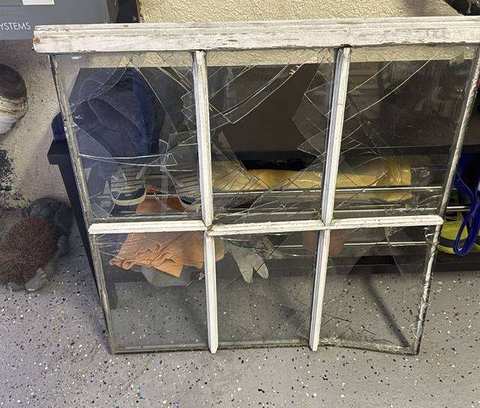 Before
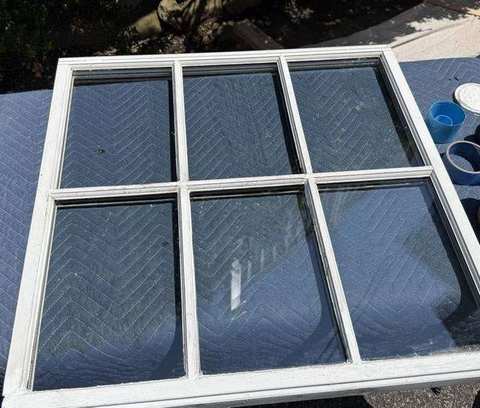 After
AfterFollow one raindrop
down your window.
It lands on the glass and slides. At the bottom of the pane it meets a small beveled ridge of putty — and everything about your window's future depends on the condition of that ridge. If the line is sound, the drop rides over it, crosses the painted rail, and falls away; the window sheds water the way its makers intended, and nothing more happens. If the line is cracked or missing, the drop slips behind the glass into a channel of bare, thirsty wood — and it stays. Multiply by every pane, every rainfall, every year the putty goes unrenewed, and you have the quiet origin story of nearly every rotted sash we repair. Reglazing is the act of closing that door. It is modest, traditional, unglamorous work — and per dollar, nothing else we do protects a wood window better.
A craft older than the house — and still unbeaten
The material at the center of this trade has barely changed in two centuries: linseed-oil putty, worked by hand until it's plastic, pressed into the rabbet, and knifed to a clean bevel in long, single strokes. There's a reason it survives in the age of a-tube-for-everything. Oil putty cures slowly from the outside in, staying resilient underneath so it moves with the wood through NJ's freeze–thaw swings instead of cracking away from it. It adheres to glass and wood without gluing them rigid, holds a crisp line that matches what's on every other window of a pre-war house, and takes paint — the final seal, lapped a hair onto the glass so water can't sneak behind the bevel. Done in the right order, with the glass properly back-bedded and pointed, a putty line is good for decades. Done from a caulk gun, it's good for a couple of winters and a mess.
Reglazing is rot prevention wearing work clothes
We file this service under prevention deliberately. The pattern across our repair work is blunt: rotted bottom rails and crumbling rabbets almost always sit downstream of glazing that failed years earlier. Catch the putty at the cracking stage and you buy the inexpensive version of the story — rake, bed, tool, paint. Wait, and the sequence escalates through softened rabbet walls into structural work: epoxy consolidation of the glazing channel, spliced rail sections, and at the far end the full rotted-sash rebuild. Every job on that escalator includes reglazing anyway — you just pay for the floors below it too. This is also why we check rabbets before laying new putty: sealing fresh compound over punk wood is cosmetic theater, and we don't sell it. If there's rot under your glazing line, you'll know, with the repair priced beside the reglazing, before we start.
Your glass is part of the argument
On older homes in Glen Ridge, Montclair, Madison, and Morristown, the panes themselves raise the stakes: original cylinder glass — the wavy kind — cannot be bought new, and clumsy glazing work is how it gets broken. Our glaziers cut putty out with the patience that glass deserves, salvage and re-bed every original pane, and match putty profiles across the facade so the restoration disappears into the streetscape. The economics stay friendly the whole way: reglazing runs about 80% less than the replacement path it forecloses, carries our 5-year workmanship warranty, and moves fast — photos answered the same day, assessment within 1–2 days, most projects done within 1–2 weeks. One walk around your house with a phone camera is how it starts.
Window reglazing across Glen Ridge, Montclair, Madison, Morristown, West Caldwell & northern NJ · Fully insured · Mon–Fri 8:00 AM – 6:00 PM · (973) 564-0958
Whole-house replacement — the destination of the rot that starts at a cracked putty line nobody renewed in time.
Five figures, downstream of a beadGlass re-bedded, joints sealed, sash painted watertight — 80% less than the replacement it prevents, with our 5-year workmanship warranty.
Rot's front door, closedRake, bed, point,
tool, paint.
Rake out & inspect
Failed putty comes out carefully — original glass is irreplaceable, so no shortcuts with the chisel. Then we check the bare rabbet for the rot that failed putty invites.
Assessed within 1–2 daysTreat, bed & point
Softened rabbet wood is consolidated before anything else. The glass is re-bedded in fresh compound, secured with new glazier's points, seated evenly.
The craft stepTool the line & seal
The putty is knifed to a crisp bevel matching your other windows, left to skin, then painted with the finish lapped onto the glass to seal the edge.
Complete within 1–2 weeksPrefer to talk first? Call (973) 564-0958 — Mon–Fri, 8 AM–6 PM.
Small bead,
big consequences.
What is glazing putty, and what is it actually doing on my window?
Glazing putty is the beveled line of compound between your glass and the wood sash — and it's doing three jobs at once. It beds the glass, cushioning a rigid pane inside a wooden frame that swells and shrinks with the seasons, so the two materials can move without cracking each other. It weatherseals the joint, shedding rain off the glass and over the rail instead of into it. And it holds the pane in compression along with the small metal glazier's points hidden beneath it. Traditional putty is a simple, brilliant material — linseed oil and whiting, kneaded to a clay-like consistency — that tools into a crisp bevel, skins over, cures slowly to a firm rubbery seal, and takes paint. When you look at a pre-war window, that neat angled line framing every pane is the putty. When that line cracks, lifts, or falls away, the window has lost its raincoat — and the wood underneath starts paying for it.
How do I know my windows need reglazing?
Walk the outside of your house and read the putty lines pane by pane. Failing glazing announces itself in stages: first hairline cracks across the bevel, then sections lifting away from the glass like dried mud, then chunks missing entirely with the glazier's points showing and the bare wood rabbet open to the sky. A pane that rattles when you tap it has lost its bedding compression. Inside, condensation or frost concentrating along the bottom edge of the glass in winter often points to air moving through a failed putty line. Two more tells: paint on the lower sash rail bubbling or peeling directly below a cracked putty section — water is getting behind it — and a dark, damp line in the wood at the glass edge that doesn't dry out. Any of these is worth a photo. Text it to (973) 564-0958 and we'll tell you the same day whether you need spot reglazing, full reglazing, or rot repair underneath it first.
Can't I just caulk over the cracked putty?
Please don't — caulk over failed putty is the repair we most often have to undo, and undoing it costs more than doing the job right would have. Caulk bridges the surface of the cracks without re-bedding the glass, so water still wicks through capillary gaps underneath; now it's trapped there by a flexible membrane that also holds moisture against the wood. The joint keeps rotting, invisibly, while the outside looks "fixed." Worse, silicone contaminates the wood and glass surfaces, and stripping smeared caulk off both — without cracking a wavy-glass pane that can't be replaced in kind — is slow, delicate work that shows up on the invoice. Real reglazing rakes the failed putty out, addresses whatever the water already did to the rabbet, re-beds the glass properly, and lays a new putty line that will serve for decades. It's not a place where shortcuts save money; it's a place where they compound.
What happens if failed glazing goes unrepaired?
The putty line is the front door for sash rot, and an open door gets used. Rain running off the glass enters the bare rabbet, soaks the thin wall of wood holding the pane, and drains down into the bottom rail — the sash's most vulnerable member. First season: staining and peeling paint below the glass. Following seasons: the rabbet wall softens, the rail's glazing edge crumbles, and decay spreads toward the corner joints. By the time the damage is obvious from across the room, you're no longer buying a reglazing job; you're buying epoxy consolidation or a spliced rail with reglazing on top — and if it runs long enough, full sash replication. The cost curve is steep and entirely optional: renewing a putty line is one of the least expensive services we offer, while the rot it prevents is the reason replacement contractors get to quote five figures. Reglazing on time is the cheapest insurance a wood window can carry.
What does reglazing cost, and how long does the work take?
Reglazing sits at the prevention end of our price list — skilled-labor work priced per sash and per pane, typically about 80% less than the replacement units that failed glazing eventually leads homeowners into, and a small fraction of what the same window costs once rot requires structural repair first. Divided-lite sashes with many small panes take longer than single-pane sashes, and any rot we find in the rabbets adds a repair step before the putty goes in — the estimate breaks all of this out per window, in writing. Timeline: photos answered the same day, onsite assessment within 1–2 days, and most reglazing projects complete within 1–2 weeks, including cure time considerations — fresh putty needs to skin before painting, and we sequence the work so your windows are weathertight throughout. The work is backed by our 5-year workmanship warranty and done by a fully insured crew, Mon–Fri 8:00 AM – 6:00 PM.
What reglazing protects.
Send us a photo — get a real answer today
Tell us what's going on and attach a picture of the damage. We'll tell you honestly whether it's rot, whether it can be repaired, and roughly what it costs.
The cheapest repair on this site
prevents the priciest one.
Photograph your worst putty line and send it over. Same-day answer, honest scope, and a sealed sash before the next storm finds the gap.