Window Sash Repair
A double-hung window is a machine — sashes, cords, weights, pulleys, balances, locks. When it won't stay open, won't budge, or rattles all winter, the machine needs service, not a dumpster. That service is our trade.
replacement
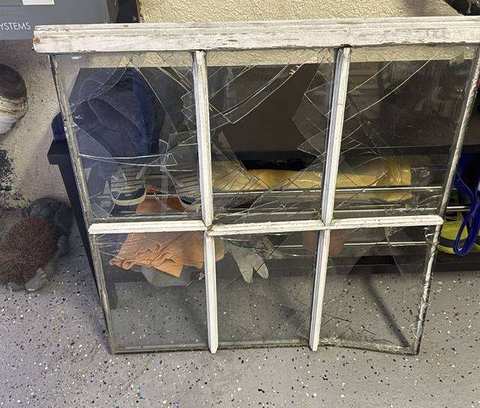 Before
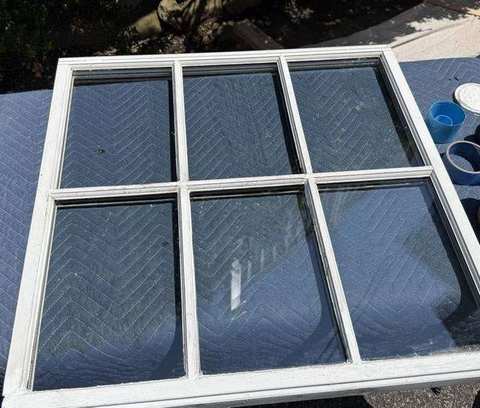 After
AfterThe window isn't broken.
A part of it is.
Somewhere in your house there's probably a window with a biography: the one that slams unless you prop it with a paint stick, the one nobody has opened since the Bush administration, the one that rattles through every nor'easter. Households adapt to these windows the way they adapt to a squeaky stair — and then a salesman points at the paint stick and quotes five figures for replacements. Here's what he doesn't say: a double-hung window is a counterweight machine, engineered so its heavy sashes float at your fingertip, and machines don't need replacing when a part wears — they need the part serviced. Sash repair is exactly that service, and it's among the fastest, least expensive work we do.
Reading the symptoms like a mechanic
- Won't stay open — the counterbalance is gone: a snapped cord in a weight-pocket window, a dead spring balance in a newer one. We re-hang or match and replace.
- Won't open at all — paint bridges have glued the sash to its stops, or swollen wood is binding in paint-narrowed channels. We score, free, dress, and wax — no pry bars.
- Slams or drops dangerously — one cord survives, the other doesn't; the sash twists and falls. This one is a safety item: fingers and sash glass are at stake.
- Rattles and leaks air — worn fit and a lock that no longer compresses the meeting rails. Tuning plus weatherstripping restores the thunk.
- Lock won't close — sashes riding out of alignment, so the cam misses the keeper. Usually a fit adjustment, not new hardware.
Every one of those symptoms has a mechanical cause with a mechanical fix, and none of them touches the parts of the window that cost money — the wood and the glass. That's the quiet absurdity of the replacement pitch: it discards the expensive components to avoid servicing the cheap ones.
Wear versus rot: an honest boundary
One distinction keeps our diagnoses clean. Everything on this page is wear — cords, springs, paint, alignment: the mechanical aging of a working machine. Rot is different: a fungus digesting the wood itself, usually starting in the sash's bottom rail or around failed glazing. Poke the lower corners of your sash; if the wood gives softly under a fingernail, you're dealing with rot, and the repair involves consolidation or splicing rather than cords and balances — covered properly on our rotten sash repair page. Plenty of windows need both, and we handle both in one visit. But you deserve to know which problem you have, because they're priced and solved differently.
The unglamorous math
Sash service is measured in hours, not weeks: photo or video answered the same day, assessment within 1–2 days, most whole-house tune-ups finished well within 1–2 weeks. The bill typically lands around 80% less than replacing the windows involved — against a whole-house replacement figure that starts at $23,000 and buys you thinner wood than you already own. Homeowners in Maplewood, Millburn, Summit, and Chatham have kept their originals gliding this way for years with us — fully insured, 5-year workmanship warranty, and a paint stick returned to the paint tray where it belongs.
Window sash repair across Maplewood, Millburn, Summit, Chatham, Livingston & northern NJ · West Caldwell, NJ · Mon–Fri 8:00 AM – 6:00 PM · (973) 564-0958
Whole-house replacement — the eventual "solution" sold to homeowners whose windows needed a $4 cord and an hour of skilled labor.
A machine junked for a worn partCords re-hung, balances matched, sashes freed and tuned — 80% less than replacement, covered by our 5-year workmanship warranty.
Opens, stays, locks, sealsName the symptom.
We'll name the part.
Video the misbehavior
A short clip of the window doing its thing — sliding shut, refusing to move, rattling — usually identifies the failed component before we arrive.
Answer same dayOpen the mechanism
Onsite we access weight pockets or balance channels, check cords, pulleys, springs, locks, and fit, and scope every sash in the house if you want the full picture.
Within 1–2 daysService & tune
New cords or matched balances, freed channels, waxed runs, aligned locks, weatherstripping. The window glides, stays put, and locks tight.
1–2 weeksPrefer to talk first? Call (973) 564-0958 — Mon–Fri, 8 AM–6 PM.
What's actually inside
a double-hung window.
Most sash problems trace to five components — all serviceable, none worth a replacement window.
The sashes are the two framed panels of glass that slide past each other. Cords and weights (pre-war) or spring balances (post-war) counterbalance them so a nine-year-old can lift a window that weighs more than the dog — until a cord snaps or a spring fades, and the sash slams or sticks. Pulleys at the jamb tops carry the cords into hidden weight pockets; paint and rust seize them. The jamb channels are the tracks the sashes ride in; layered paint narrows them until the fit binds. The lock is a compression device that pulls the meeting rails together to seal the window — when it stops aligning, you lose both security and weathertightness.
Sash repair is the service of all five as one system: re-hang the counterbalance, free and dress the channels, square the fit, align the lock, weatherstrip the contacts. Where we find rot rather than wear — soft wood in a bottom rail or around the glazing — that's a different problem with its own page: see rotten window sash repair. Wear is mechanical; rot is biological. We fix both, but honest diagnosis starts by telling them apart.
Mechanical service for the window as a machine — rot repair is its own craft, one link away.
Five symptoms,
five honest explanations.
Why won't my window stay open anymore?
Because the counterbalance that used to hold it there has failed. A double-hung sash doesn't stay open by friction — it's held by hidden weights on cords running over pulleys (in older windows) or by spring balances in the jambs (in newer ones). When a cord snaps or a balance loses tension, the full weight of the sash has nothing offsetting it, so it slides shut the moment you let go — or worse, drops like a guillotine. The fix is mechanical, not surgical: we open the weight pockets or balance channels, re-hang the weights on new cord, or replace the failed balances with correctly rated ones, and the window holds any position again. It's one of the most satisfying repairs in the trade — twenty minutes to an hour per sash in most cases — and it costs a small fraction of the replacement window that propping sticks eventually talk people into.
My windows are painted shut. Can they be freed without wrecking the trim?
Yes — freeing painted-shut sashes cleanly is routine work for us, and it's emphatically not a job for a pry bar. Paint bridges form along every line where sash meets stop, parting bead, and sill; layers accumulate until the window is effectively glued into its frame on four sides. The correct sequence is patient: score every paint line with a blade, work a sash saw or thin knife through the bridges, ease the sash loose progressively rather than forcing one corner, and then — the step everyone skips — plane and wax the contact surfaces and clear the paint out of the jamb channels so the window slides instead of grinding. Done this way, stops and trim stay intact and the finish damage is minimal to none. Done with a screwdriver and enthusiasm, it cracks stiles and splits stops. If your sashes haven't moved in years, they're almost certainly savable; bring us in before the pry bar.
What's the difference between sash cords and balances — and which do I have?
They're two generations of the same counterweight idea. Windows from roughly the 1940s and earlier use the classic system: cotton cords (or chains) tied to each sash, run over pulleys at the top of the jamb, with cast-iron weights riding in hidden pockets behind the frame. Look for small wheels near the top corners of the jamb — those are the pulleys. Post-war windows generally switched to balances: spring-loaded mechanisms — spiral tubes, block-and-tackle cartridges, or constant-force coils — mounted in the jamb channels. Both systems fail the same way (the sash won't stay put) and both are repairable: cords and chains are re-hung with the original weights, and worn balances are matched by type and sash weight and swapped. Neither failure means the window is done — the wood and glass are usually fine; it's the mechanism that needs service, which is exactly what sash repair is.
The sashes rattle and the room is drafty. Is that a sash repair problem?
Usually, yes — rattling and drafts are fit problems, and fit is what sash repair restores. A double-hung seals at surprisingly few places: the meeting rails where the two sashes overlap, the bottom rail against the sill, the top rail against the head, and the stiles against the jamb channels. A century of wear, shrinkage, and paint buildup loosens some of those contacts and jams others, so the window rattles in wind and leaks air at the corners. The remedy is mechanical tuning plus weatherstripping: adjusting how the sashes seat, ensuring the lock actually pulls the meeting rails together (that's its real job — it's a compression device, not just security), and fitting discreet weatherstripping in the channels and rail contacts. The transformation surprises people: a tuned, weatherstripped original window closes with a solid thunk and holds its own against winter far better than its reputation suggests — no replacement required.
What does sash repair cost, and is it really worth it versus new windows?
Sash repair sits at the inexpensive end of everything we do, which makes the replacement comparison almost unfair. Re-hanging cords, swapping balances, freeing stuck sashes, tuning fit, and weatherstripping are labor-and-parts jobs measured in hours per window — typically about 80% less than replacing the unit, and dramatically less than the $23,000+ a whole-house replacement project commands. The value case is just as lopsided: the wood in your existing sashes (especially pre-war old-growth stock) is better material than most new windows contain, and a mechanically serviced original gives you smooth operation, real security at the lock, and honest weather sealing while keeping the house's character intact. Our work is backed by a 5-year workmanship warranty and a fully insured crew. Text a photo or video of the problem window to (973) 564-0958 — you'll get an answer the same day and an assessment within 1–2 days.
When it's more than mechanics.
Send us a photo — get a real answer today
Tell us what's going on and attach a picture of the damage. We'll tell you honestly whether it's rot, whether it can be repaired, and roughly what it costs.
That stick propping the window?
Retire it this week.
Video the window, text it over, and get a same-day answer on which part failed and what the fix costs. It's almost never the whole window.