Historic Window Restoration
In towns like Glen Ridge — where the entire municipality is a historic district — original windows aren't just charming, they're protected. We restore them to working order: sound, weathertight, and compliant, for about 80% less than replacement.
replacement
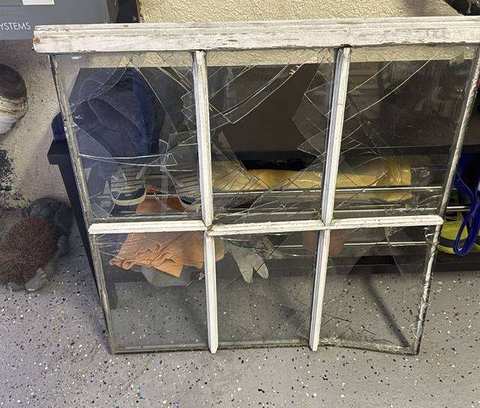 Before
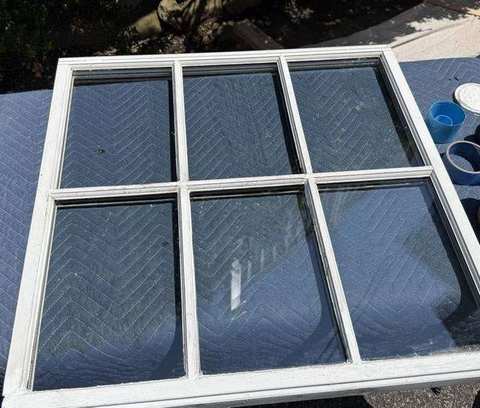 After
AfterNobody told you it could be repaired.
Most homeowners hear one option — replacement — because that's what the company at the door sells. Here's the comparison nobody hands you.
Repair with RotGone
- Original wood stays — including profiles nobody manufactures anymore
- 1–2 weeks, not months of lead time
- Same sightlines, same glass line, same house
- 5-year workmanship warranty
Full replacement
- "5–8 windows for $23,000" works out to $2,900–4,600 each
- Vinyl swaps old-growth wood for plastic that can't be repaired later
- 4–8 weeks including manufacturing lead time
- Trim, sills and interior casing get rebuilt around the new unit
If your home sits in a historic district: replacing windows there often means a review by the local historic commission — restoring the originals usually doesn't. Rules differ by municipality, and we'll tell you what yours requires before you commit to anything.
Prices depend on how far the decay actually goes — that's what the free assessment is for. And we'll tell you honestly when replacement really is the right call; it happens, and you'd rather hear it from us than find out afterwards.
In Glen Ridge, the whole town
is a historic district.
That's not a figure of speech. Glen Ridge's historic district encompasses essentially the entire borough — gas lamps, slate roofs, and thousands of original wood windows the design guidelines exist to protect. Montclair, Morristown, and Madison maintain their own designated districts and landmark properties, each with a Historic Preservation Commission reviewing exterior changes. For a homeowner with tired original windows, this changes the entire question. The replacement salesman's pitch collides with a review process that exists specifically to prevent what he's selling; tearing out restorable original sashes is the outcome commissions are chartered to resist. Restoration inverts the problem: it is the path the guidelines favor, because it keeps the protected fabric on the house. Where replacement needs persuading, restoration needs scheduling.
What a commission sees when it looks at your windows
To an HPC, your windows are not builder's commodities — they're character-defining features. The slender meeting rails, the true divided lites, the proportions of frame to glass, the subtle waver of cylinder glass in afternoon light: these are the details that make a streetscape read as 1910 rather than 2010, and they are precisely what stock replacements erase. Even "historically styled" units betray themselves — fatter profiles, flat float glass, snap-in grilles. Restoration sidesteps the whole aesthetic argument because nothing visible changes except condition. The same sash, the same glass, the same hardware — sound, painted, and working. Owners in historic homes across Glen Ridge and Montclair have made this calculation for decades, which is why so many of those streets still look the way they do.
"But they're rotted" — usually, barely
The condition that triggers replacement quotes is almost always local: a soft sill corner, a decayed bottom rail, putty falling out of a weather-side sash. The old-growth wood in pre-war windows resists rot so well that decay a century in the making typically occupies a few inches of one component. Our repair toolkit is built for exactly that — epoxy consolidation for softened zones, dutchman splicing where sections are gone, and full element replication when a rail or sash is past saving. Add renewed glazing, re-hung sash weights, and weatherstripping, and the "rotted" window becomes a working one — for about 80% less than the replacement project, backed by our 5-year workmanship warranty, from a fully insured crew.
Start before the commission meeting, not after
The best time to talk to us is when you're still deciding what to ask your HPC for. A written restoration scope — which windows need what, per opening, with prices — is the document that makes the compliant path concrete. Text photos to (973) 564-0958 and you'll have an honest read the same day: what's restorable, what needs replication, what it costs against replacement. Assessment follows within 1–2 days, most projects complete within 1–2 weeks, and your windows stay original — which, in a historic district, is the whole point.
Historic window restoration for Glen Ridge, Montclair, Morristown, Madison & pre-war homes across northern NJ · Fully insured · 5-year workmanship warranty · Mon–Fri 8:00 AM – 6:00 PM
Whole-house wood replacement before anyone custom-matches a muntin — plus an HPC approval fight to remove protected original windows.
Original fabric, gone for goodOld-growth sashes repaired, reglazed, re-corded, weatherstripped — 80% less, 5-year workmanship warranty, and the commission stays happy.
Compliance and character, keptRestoration that respects
the house and the rules.
Photo & era triage
Text photos of your windows. We'll tell you the same day what's restorable, what needs replication, and a realistic range — useful groundwork before any HPC conversation.
Same daySash-by-sash assessment
Onsite we document each opening: rot, joints, glazing, cords, hardware, fit. You get a written per-window scope — restoration priced beside replacement.
Within 1–2 daysRestore in place or in shop
Rot spliced or consolidated, putty renewed around original glass, cords re-hung, hardware freed, sashes weatherstripped. Openings are never left unsecured.
1–2 weeksPrefer to talk first? Call (973) 564-0958 — Mon–Fri, 8 AM–6 PM.
The wood in your windows
is better than new.
The strongest argument for restoration isn't nostalgia. It's material science.
Sashes milled before the war came from old-growth trees — slow-grown, tight-ringed, resin-dense lumber that resists rot and holds its shape in ways modern plantation stock cannot. That's why a 1915 window in Montclair typically reaches us with decay in one sill corner or one rail, not through the whole unit: the material has already survived a hundred freeze–thaw cycles that would have destroyed a builder-grade window twice over. Restoration keeps that irreplaceable material in service. We consolidate softened zones with conservation-grade epoxy, splice dutchmen of matching species into sections that are truly gone, and replicate complete elements only when nothing sound remains to save.
The glass deserves the same respect. Original cylinder glass — the "wavy" glass that gives old facades their liveliness — cannot be bought new. We cut putty out carefully, salvage and re-bed the original lites, and renew the glazing so the sash sheds water the way it was designed to. Combined with re-hung weights, freed hardware, and honest weatherstripping, the restored window earns its place for another generation — protected fabric preserved, exactly as your district's guidelines intend.
Conservation methods used on landmark buildings — applied sash by sash to yours.
What owners of protected
windows need to know.
My home is in a historic district. Can I even replace my original windows?
Often not without a fight — and usually not without approval. In New Jersey's designated historic districts, exterior changes visible from the street typically go before a Historic Preservation Commission, and original windows are among the elements commissions guard most closely, because muntin patterns, sash proportions, and glass character define a historic facade. Applications to tear out restorable original sashes for modern replacements are routinely denied or sent back with conditions. Restoration flips that dynamic: repairing original windows in place preserves the protected fabric, which is precisely what the guidelines exist to encourage, so restoration work generally sails through where replacement stalls. Every district's rules differ — Glen Ridge, Montclair, Morristown, and Madison each run their own review — so check your local requirements before any exterior work. But as a rule: restoration is the compliant path, replacement is the contested one.
Are 100-year-old windows really worth restoring instead of replacing?
On the merits, not just sentiment — yes. Pre-war sashes were milled from old-growth lumber: slow-grown, tight-ringed wood far denser and naturally more rot-resistant than today's fast-plantation stock, which is why so many survive a century of NJ weather needing only localized repair. They were also built to be serviced — sashes lift out, parting beads pry free, every joint is accessible — where modern welded units are built to be discarded whole. Restored originals keep the wavy cylinder glass, true divided lites, and slender profiles that replacements only imitate, and on a historic streetscape the difference is visible from the curb. A restorable original window is arguably the best window your house will ever have; a replacement is a product with a warranty countdown. Ours run the other way: restoration backed by a 5-year workmanship warranty, on wood that has already proven it can last a century.
Won't old windows leak heat? Wouldn't new ones be more efficient?
The energy case for replacement is the most oversold claim in the window industry. A drafty original window is drafty because of failed glazing putty, missing weatherstripping, and gaps at the meeting rail — all restorable conditions, not inherent defects. Field studies of restored wood windows, particularly when paired with a good storm window, consistently show performance in the same range as new double-glazed replacements, at a fraction of the cost. Meanwhile the payback math on tearing out sound windows for marginal efficiency gains runs to decades — often longer than the replacement units themselves last. What actually changes a cold room: renewed putty and bedding, weatherstripped sashes and meeting rails, a serviced sash fit, and a storm panel over the original. That package keeps the historic fabric, satisfies the HPC, and closes the comfort gap — without a $23,000+ replacement project that resale data shows returning a net loss.
What does historic window restoration actually include?
Whatever the individual window needs to be sound, smooth, and weathertight — assessed sash by sash rather than sold as a package. The typical scope: rot in sills, frames, and sash rails repaired by epoxy consolidation or dutchman splicing; loose sash joints re-glued and squared; failed glazing putty raked out and renewed with the original wavy glass carefully preserved and re-bedded; broken sash cords re-hung so the weights balance again; hardware cleaned, freed, and kept original wherever possible; and weatherstripping fitted so the window seals when it locks. Where a component is beyond saving — a bottom rail, a complete sash — we replicate it to match the original profiles rather than substituting an off-the-shelf part. The result is an original window in working order, not a museum piece: it opens, closes, locks, and sheds water the way its makers intended.
How much does window restoration cost compared with historic-grade replacement?
Restoration is the bargain of the two, and it isn't close. True historic-profile replacement sashes — custom-milled, true-divided-lite units a commission would accept — are premium products, and a whole-house wood window replacement project in our area runs $23,000 and up before anyone matches a muntin. Restoring the originals typically comes in around 80% less, because you're paying for skilled labor on the components that failed rather than for manufacturing an imitation of what you already own. Scope drives price — a window needing putty and cords costs far less than one needing a spliced sill and a replicated rail — which is why we assess each opening and put a written per-window scope in front of you, with a realistic replacement figure beside it. Photos answered the same day; onsite assessment within 1–2 days; most projects finished within 1–2 weeks.
The rest of the historic envelope.
Send us a photo — get a real answer today
Tell us what's going on and attach a picture of the damage. We'll tell you honestly whether it's rot, whether it can be repaired, and roughly what it costs.
Your windows survived a century.
Don't let a sales quote end them.
Send photos of your original windows before signing anything. We'll tell you what's restorable, what it costs, and how it keeps your district approval simple.