Deck Rot Repair
A rotted board is a nuisance. A rotted joist is a hazard. We probe the whole structure, fix what the fungus took, and keep every plank that's still sound — for about 80% less than rebuilding.
replacement
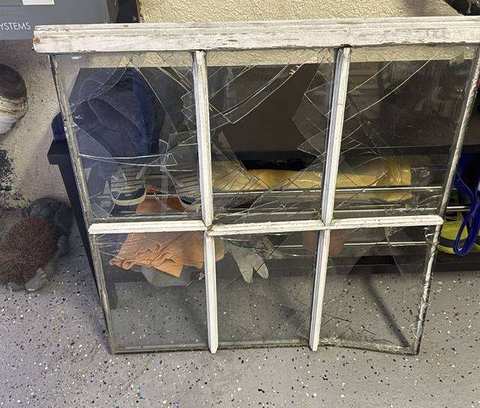 Before
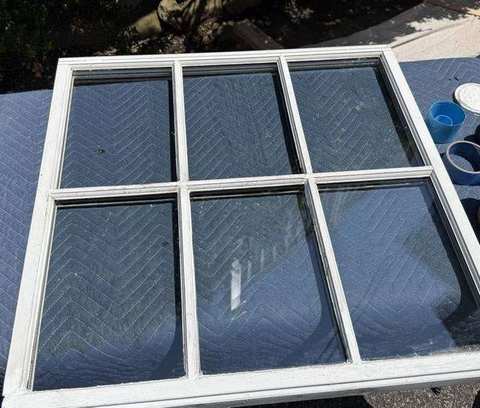 After
AfterHow many people stood on your deck
at the last barbecue? Now press your heel into it.
Walk your deck barefoot and pay attention. A sound board feels like a drum — firm, with a knock to it. A rotted one feels like a mattress: it gives under your heel, springs back slowly, and sounds dull when you rap it. That heel test is how most Livingston and Essex Fells homeowners discover deck rot, usually in the shaded corner where the grill sits or along the row nearest the house. And it's the right test to start with — but it only checks the boards you can see. The wood that determines whether your deck is safe is underneath, and it fails silently: the joists carrying the boards, the beams carrying the joists, and the posts carrying everything, including the twenty people at your next party.
That's why we treat deck rot repair as structural triage rather than carpentry-by-the-square-foot. Rot in a deck board is cosmetic-to-annoying. Rot in a joist is load capacity quietly disappearing. Rot in a post base is the whole assembly negotiating with gravity. Same fungus, wildly different stakes — so the repair plan has to sort every member into its tier before anyone talks price.
Tier one: rotted deck boards
Boards rot from the top down and from their fastener holes inward — every screw hole is a tiny well that funnels water into the board's core, which is why a deck can be soft in the field of a plank while its edges stay firm. Boards are also the easy fix: back out the fasteners, lift the rotted planks, and lay new stock across the existing frame, gapped for drainage and fastened to shed rather than trap water. When only boards are gone, a one-day repair returns the deck to service — no reason on earth to quote a rebuild.
Tier two: deck joist rot
Joists rot where water lingers: along their top edge under the board gaps, and at their ends — against the ledger at the house and over the beam at the far side. Because a joist's strength lives in its depth, even an inch of decayed top edge steals real capacity, and you feel it as bounce. The repair is sistering: a new full-length joist bolted face-to-face with the compromised one, bearing on the same supports, restoring the load path without dismantling the deck. Ends too far gone get cut back and re-hung on proper hardware. This is the tier where "repair what's rotted, keep what's sound" saves the most money — framing lumber is cheap; demolition of a sound frame is not.
Tier three: deck post rot
Posts fail at the bottom, where end grain sits on concrete and drinks every rain like a straw in a glass. A post can read solid at eye level and be mush in its last four inches — probe the base, not the middle. Post repair is the most delicate tier: we shore the deck's load on temporary supports, cut the post out, and set a new one on a galvanized standoff base that lifts the end grain off the concrete for good, so the new post never inherits the old one's disease. Where a post is sound but its connection hardware has rusted, we re-hardware without replacement. Structure comes first in sequence and in budget — boards can wait a month; a failing post cannot.
Keep the deck. Fix the fifth of it that's sick.
On the decks we assess across Millburn, West Caldwell, and the surrounding towns, rot typically claims a fraction of the lumber while the rest tests sound — pressure-treated framing is genuinely durable everywhere water doesn't pool. Member-by-member repair runs about 80% less than the tear-off quote, finishes within 1–2 weeks, and carries our 5-year workmanship warranty. You get a deck that passes the heel test everywhere, from a fully insured crew that put its findings in writing — and a 5.0-rated one at that. First step costs a text message: photos to (973) 564-0958, answer today.
Deck rot repair for Livingston, Essex Fells, Millburn, West Caldwell & greater Essex County · Mon–Fri 8:00 AM – 6:00 PM
Full deck demolition and rebuild — the standard quote when 20% of the lumber is actually rotted. Same reflex prices window projects at $23,000+.
Sound framing in a dumpsterBoards swapped, joists sistered, posts re-set — 80% less than a rebuild, with a 5-year workmanship warranty on the work.
Structure certified soundFirst we find out what's
holding your deck up. Then we fix it.
Photos & a walk test
Send pictures of the soft spots — and tell us if the deck bounces or sways. Structural symptoms jump our queue.
Same dayProbe every member
Boards, joist ends, beam bearings, post bases, ledger, hardware — mapped and marked sound or rotted, in writing.
Within 1–2 daysRepair by priority
Structure first: posts and joists shored and rebuilt, then boards, rails, and stairs. Load-ready when we leave.
1–2 weeksPrefer to talk first? Call (973) 564-0958 — Mon–Fri, 8 AM–6 PM.
Straight answers before
the next backyard crowd.
How much does deck rot repair cost compared to a new deck?
The spread mirrors what we see with windows and doors: targeted repair runs about 80% less than tearing off and rebuilding, because on the typical rotted deck we inspect, decay touches a minority of the lumber — a handful of boards, a joist or two under the grill zone, maybe a post base. Full deck replacement is a five-figure project the way full window replacement is a $23,000+ project; swapping six boards and sistering two joists is not. The honest variable is the frame: if probing reveals systemic decay across most joists, we'll tell you repair money would be wasted and show you why, in writing. Text photos of the worst spots to (973) 564-0958 and you'll have a straight answer today, before anyone climbs under your deck.
Is my rotted deck actually dangerous, or just ugly?
It depends entirely on which wood is rotted, which is why our triage separates decking from structure. Soft deck boards are unpleasant and will eventually break underfoot, but a broken board is a twisted ankle. Rotted joists and posts are a different category: they're what holds the deck — and everyone standing on it — in the air. Deck collapses almost never come from bad decking; they come from decayed framing and failed connections letting go all at once, usually when the deck is loaded with people. The warning signs are bounce or sway underfoot, visible sag in a board line, and posts that show crushing or dark rot at their bases. If any of those describe your deck, keep the crowd off it and get it probed within days, not months.
Can you replace just the rotted boards and joists, or is it all-or-nothing?
Component replacement is precisely how deck repair is supposed to work — a deck is a bolted-together assembly of independent parts, and it comes apart the same way. Rotted boards unscrew and new ones drop onto the existing frame. A decayed joist gets sistered — a full-length new joist bolted alongside it, carrying the load — or fully swapped, with the deck boards above lifted and relaid. A rotted post gets temporary shoring, then a new post on a proper standoff base that keeps future water away from the end grain. The sound lumber around each repair keeps its job. All-or-nothing framing is a sales tactic, not a structural requirement, and our written estimate lists the repair scope member by member so you can see exactly what stays.
How long does a deck repair take, and will I lose the deck for the season?
You won't lose the season — the calendar runs the same as all our rot work. Photos get a same-day read; the onsite structural probe happens within 1–2 days; and repairs finish within 1–2 weeks of approval. On-site time scales with the scope: a board-swap day for surface rot, two to three days when joists are sistered or a post is replaced, since shoring and hardware take time to do right. The deck is typically usable the evening work ends — no curing period keeps you off it, because structural connections go in mechanically, not glued. We schedule Mon–Fri 8–6, and if your repair is racing a graduation party or a July 4th cookout, say so; deck jobs with a date attached get slotted accordingly.
What warranty covers a structural repair like this?
The same 5-year workmanship warranty that covers everything we touch — five years on the workmanship of the repair, in writing, from a fully insured company carrying general liability and workers' comp. On deck work that warranty has teeth because the failure modes are visible and testable: a sistered joist that was bolted correctly doesn't loosen, a post seated on a standoff base doesn't wick water, a relaid board field doesn't squeak or cup if it was gapped and fastened right. We also leave you with the inspection habit that protects the warranty and the deck: once a year, probe the post bases and the joist ends near the house with a screwdriver. Ten minutes every spring is the difference between a board swap and a rebuild — and we'll happily re-check it when we're nearby.
One fungus. Every part of the property.
Send us a photo — get a real answer today
Tell us what's going on and attach a picture of the damage. We'll tell you honestly whether it's rot, whether it can be repaired, and roughly what it costs.
Twenty people will stand on it
this summer. Make sure it holds.
Send photos of the soft spots today. Structural verdict by tonight, probe within two days, deck solid within two weeks.