IGU Replacement
Fogged, cracked, or heat-leaking double-pane glass comes down to one manufactured part: the insulated glass unit. We measure it, have it custom-made, and swap it — in wood, vinyl, or aluminum frames.
replacement
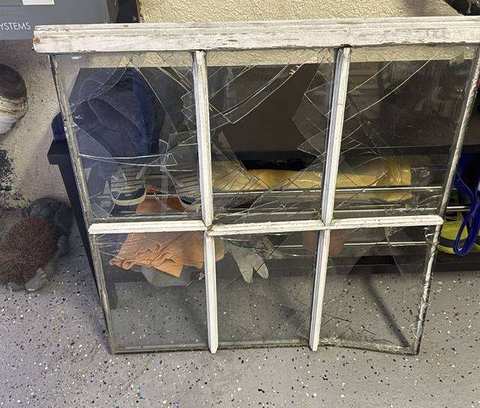 Before
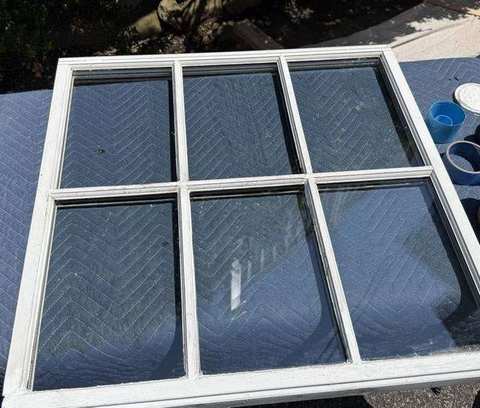 After
AfterCalculate Your IGU Replacement Cost
Pick the shape, enter the glass dimensions, choose the package — and see the made-to-measure number in seconds. Taxes and delivery included.
Unit shape
Frame material
The best-kept secret in windows:
the glass is a removable part.
Every double-pane window ever made — wood, vinyl, or aluminum, premium or builder-grade — was assembled around a manufactured insert: the insulated glass unit. Factories build the unit first and the window around it, which means every one of those windows can, by design, accept a new unit. IGU replacement is not a workaround or a compromise; it's the service the window's own architecture anticipates. Yet call three window companies about a failed unit and you'll likely hear three replacement quotes, because igu window replacement is a repair-scale ticket in a replacement-scale industry.
We built our glass practice on that gap. Whether the unit fogged (seal failure — the full story is on our foggy glass page), cracked (impact or thermal stress — see double pane repair), or simply lost its insulating punch, the remedy is identical: measure precisely, manufacture to order, glaze the new unit into the frame you already own.
Made for your window, not near your window
There's no bin of "close enough" glass in this trade. Each insulated glass unit replacement starts with onsite measurement — width, height, and cavity thickness to the millimeter, plus spacer profile and coating read off the original. The unit is then manufactured to those numbers. This is why odd sizes, arched tops, and oversized picture windows don't scare us, and why the finished swap is invisible: the new unit sits exactly where the old one did, behind the same stops, at the same sightlines.
One crew for the glass and the wood around it
The quiet advantage of ordering IGU work from a wood-repair company: the sash gets inspected on the same visit. A sealed unit is only as good as the rebate holding it, and units glazed into soft, water-damaged wood fail young. Where we find early rot we repair it — epoxy consolidation, spliced wood, the same conservation craft that runs through our wood window practice — so the new glass gets a sound seat and the 5-year workmanship warranty means something. Fully insured, 5.0 on Google, photo answers the same day.
IGU replacement across Montclair, Millburn, Glen Ridge, Chatham, Livingston, Summit, Wayne & Westfield · West Caldwell, NJ · Mon–Fri 8:00 AM – 6:00 PM · (973) 564-0958
Per opening, installed — the standard quote when an IGU fails, though the failure lives in one cartridge the window was built to accept.
Plus demolition & patchingA sealed unit manufactured to your exact measurements and glazed into the existing sash — the part, not the machine.
Insulation restored to specCustom manufacturing,
running on a repair timeline.
Identify the unit
Photo of the window and the symptom — fog, crack, or draft. We confirm it's the IGU and range the price same day.
Same dayMeasure & order
Cavity dimensions, glass thickness, spacer profile, low-E and argon spec — recorded onsite, sent to manufacture.
Within 1–2 daysGlaze it in
The custom unit arrives and goes into your sash — stops refitted, gaskets seated, sightlines clean.
1–2 weeksPrefer to talk first? Call (973) 564-0958 — Mon–Fri, 8 AM–6 PM.
Five components, one cartridge —
know what you're buying.
An informed IGU order is how you get the right glass instead of the cheapest glass.
The panes set thickness and safety: annealed for most windows, tempered where codes and common sense demand it — doors, low sills, big spans. The spacer holds the panes apart and sets the cavity width; warm-edge composite spacers conduct less heat than old aluminum and resist the edge condensation that rings older units. The desiccant inside the spacer keeps the cavity dry for the life of the seal. The sealant is the life-limiting part — the perimeter barrier whose eventual fatigue is why fogged units exist at all. The fill — air or argon — and any low-E coating determine the insulating performance.
When we spec your replacement unit we read all five off the failed original, then flag the upgrades worth their increment — warm-edge spacer, argon, a modern low-E — while the unit is on the manufacturing bench anyway. What we never do is oversell glass: a garage window doesn't need premium coatings, and we'll say so.
Spec'd from your original, upgraded only where it pays.
The sealed-unit questions,
unsealed.
What exactly is an IGU?
An insulated glass unit is the sealed "glass sandwich" inside every modern window: two (sometimes three) panes of glass bonded to a perimeter spacer, with desiccant inside the spacer, sealant around the edge, and usually argon gas in the cavity. It's manufactured as one part, installed as one part, and — this is the key fact — replaced as one part. The window is the machine; the IGU is a cartridge inside it.
My window is an odd size. Can you still get an IGU for it?
Yes — every IGU we install is custom-ordered to size. There is no standard-sizes problem, because there are no standard sizes: each unit is manufactured to the exact millimeter dimensions, thickness, and spec we measure in your sash. Arched tops, trapezoids for A-frame gables, narrow sidelites, oversized picture units and tempered patio-door panels are all routine orders. Odd sizes change the lead time slightly, never the feasibility.
Does IGU replacement work in wood, vinyl, and aluminum windows alike?
All three, with different access routes. Wood sashes hold the unit behind glazing stops or putty profiles we remove and refit — and if we find rot in the sash while we're in there, we tell you and price the wood repair honestly. Vinyl windows use snap-in stops and gasket wraps. Aluminum frames typically hold units in gasketed channels, sometimes requiring the sash to come out briefly. The measurement visit identifies the route; the swap itself is usually minutes per window once the unit arrives.
What do argon and low-E actually do — and should I order them?
Low-E is a microscopic metallic coating that reflects heat radiation — back inside in winter, back outside in summer — and argon is a denser-than-air gas that slows conduction across the cavity. Together they're most of the difference between builder-grade and premium glass. When we replace your IGU we match the original spec by default, but replacement is also the cheapest moment to upgrade: the manufacturing cost difference is modest when the unit is being made to order anyway. We'll quote both numbers and let you decide.
What does IGU replacement cost?
Per unit, it's driven by glass area, temper, and coating spec — typically a low-hundreds repair for standard window sizes, rising with size and tempered requirements. Set that against the four-figure installed cost of replacing the window around it and you get the familiar arithmetic of everything we do: roughly 80% less. Batching several units into one order and one visit lowers the per-window figure further. Written estimate free, with the repair-vs-replace comparison printed side by side, and every installation covered by our 5-year workmanship warranty.
Where IGU work connects.
Send us a photo — get a real answer today
Tell us what's going on and attach a picture of the damage. We'll tell you honestly whether it's rot, whether it can be repaired, and roughly what it costs.
Your window was built
to take a new cartridge.
Send a photo and rough dimensions. We'll confirm the unit, spec the glass, and give you the made-to-measure price — free, today.