Sunroom Repair & Renovation
The room you stopped using — the one with the drip, the fogged panes, the torn screens, the corner nobody leans on. We renovate sunrooms as one system: water out, light in, wood sound, and the furniture moved back where it belongs.
a rebuild
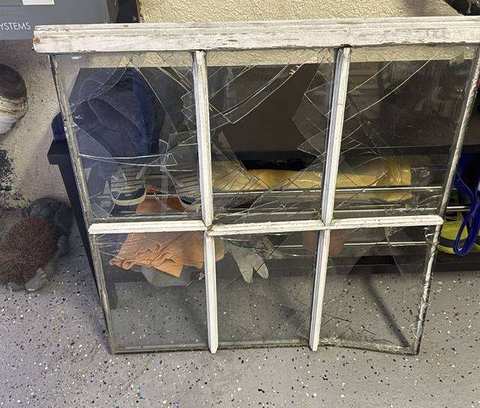 Before
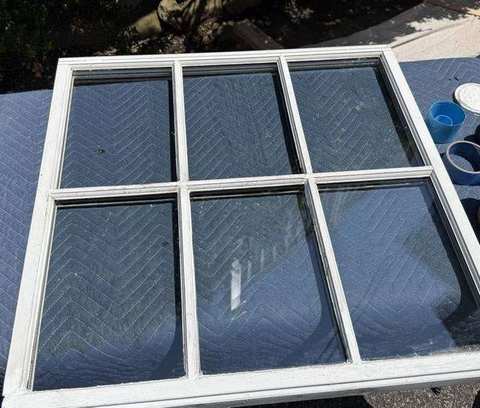 After
AfterHow a favorite room becomes
a storage room — and comes back.
No one decides to abandon a sunroom. It happens by subtraction. The first fogged pane takes a corner of the view; a slow drip at the roof junction claims the good reading chair's spot; a screen tears and the summer evenings move indoors; a sill goes punky under the paint and someone stops leaning there. Each loss is too small to trigger a project, so the room quietly absorbs them all — until the sunniest square footage in the house is where the exercise bike goes to be forgotten. We meet sunrooms at exactly this stage all over northern New Jersey, and the diagnosis is remarkably consistent: not a failing room, but an unmaintained one. Sunrooms concentrate every exposure a house faces — glass on three sides, junction-heavy roofs, condensation streaming down panes onto wood shelves every morning — so they simply age faster than the rooms behind them and need their upkeep in bigger, rarer doses. Renovation is that dose.
Our approach treats the room as one system with a strict order of operations. Water first: every scope begins by finding and closing the active leaks, because glass, wood, and finishes installed under running water are donations, not repairs. Envelope second: failed glass units and glazing seals replaced so the room holds temperature and the view returns. Structure third: the wet points — sills, mullion bases, plates — rebuilt to sound wood. Function and finish last: screens, hardware, weatherstripping, and paint, the layer that makes the room a place to sit rather than a completed project. The order isn't bureaucracy; it's why our renovations stay renovated, and why we can put a 5-year workmanship warranty behind work that lives in the weather.
Why sunroom trades fragment — and why ours doesn't
The usual sunroom renovation is a scheduling nightmare because it crosses trades: a roofer for the flashing (who doesn't touch glass), a glass shop for the units (who won't open the wood), a carpenter for the rot (who subs out the screens), and nobody owning the leak that crosses all three territories. The failure mode is predictable — each trade fixes its square and the water finds the seams between them. A sunroom is small enough that it deserves one accountable crew, and that's what this service is: sealing, glazing, wood repair, and screens under one estimate, one schedule, and one warranty, from the company whose founding craft — sunroom wood rot repair — already lives at the hardest intersection of those trades. When the water path runs from a roof joint through a mullion into a sill, the same people follow it end to end.
The glass, specifically
Sunroom glass fails on a schedule set by sun load, and it fails in bulk — units installed the same season fog within a few years of each other, which is why a room that had one hazy pane in spring has three by the following fall. All of it replaces into the existing framing: wall units as standard insulated glass matched for low-E tint so the elevation reads uniform (the craft detailed on our IGU replacement page), roof units in mandatory safety glazing, sliders and door panels in tempered units per patio door glass replacement. Bulk failure has a silver lining: units replaced in one visit share the trip, the setup, and the scaffold, so the per-unit cost drops exactly when the need peaks. And if fog is your room's only ailment, say so — a glass-only scope is a perfectly honest renovation, and we'll quote it without inventing companions for it.
The wood, specifically
The structural skeleton of a glass room is thin by design — slender mullions, narrow sills, a base plate hidden behind trim — and it does all the weatherproofing work along dozens of feet of glass-to-wood joints. Its failure map barely varies: sill corners under condensation lines, mullion bases where end grain drinks from the sill, plates where splashback and grade conspire, and the junction where sunroom meets house. Our repair method is the company's signature — decay cut back to sound wood, epoxy consolidation where the section survives, spliced matching lumber where it doesn't, and the water path closed so the repair is permanent. The full craft, including how we trace leaks backward from the rot pattern, lives on the sunroom wood rot repair page; within a renovation it simply takes its place in the sequence, after the water stops and before the finishes go on.
Everything a tired sunroom
needs — under one estimate.
Leaks & the roof
Drips at the house junction, stains along the rafters, water arriving somewhere it didn't enter. We trace the path, reseal glazing and reflash the joints — the fix that protects every other fix.
Glass & panels
Fogged insulated units, cracked panes, hazy roof panels. Each is a made-to-size replacement into the existing framing — tempered or laminated where overhead safety demands it.
Screens & openings
Torn mesh, bent frames, sliders that jump their tracks, windows that no longer crank. Rebuilt, re-splined, and tuned so the room breathes again on the first warm evening.
The wood structure
Sills, mullions, and base plates gone soft — the classic sunroom failure. Rebuilt with epoxy consolidation and spliced lumber by the crew that does this all day, every day.
Only need one scope? That's a fine place to start — tell us which, and we'll quote it alone with the full picture beside it.
Water, envelope, structure,
then furniture.
Room-wide assessment
Every pane, joint, sill, screen, and the whole roof junction surveyed in one visit — leaks traced to their entry, not their exit. You get the complete list, priced by line.
Within 1–2 daysSeal & order
Active water paths closed immediately; glass units, screens, and lumber measured and ordered. The room stops deteriorating on day one, before the big work begins.
First visitRenovate in sequence
Glass in, wood rebuilt, screens re-splined, seals and finishes renewed — section by section, weathertight every night, warranted for five years when we're done.
Within 1–2 weeksQuestions about phasing or timing? Call (973) 564-0958 — Mon–Fri, 8 AM–6 PM.
Asked from the doorway of
rooms worth saving.
Our sunroom leaks, the glass is foggy, and some wood is soft. Repair or tear down?
Almost always repair — and the reason is how sunroom problems cluster. Leaks, fog, and soft wood look like three verdicts against the room, but they're really one story told three ways: a seal or flashing joint failed somewhere high, water has been following gravity through the structure, and the symptoms accumulated wherever it lingered. The structure itself — the framing that actually holds the room up — is usually far healthier than the symptom list suggests, because rot concentrates at joints and horizontal surfaces while the majority of the wood stays sound. A renovation scope attacks the story in order: stop the water, replace the failed glass units, rebuild the wet-point wood, renew the screens and seals. Teardown earns its place only when decay has spread through most of the frame or the room's design chronically traps water — a small minority of the sunrooms we assess across Livingston and Wayne. Our written estimate settles it the honest way: the renovation priced line by line, a realistic rebuild figure beside it, and in most cases the renovation lands around 80% less.
Can you fix just the leak, or do we have to do a full renovation?
You can absolutely fix just the leak — and stopping water is where every sunroom scope starts anyway, so a leak-only visit is a perfectly good first chapter. What we'll add, honestly, is what the assessment finds: water that's been entering for seasons has usually left a to-do list — a fogged unit here, a soft sill corner there — and it's cheaper to know the whole list now, even if you phase the work over a year or three. That's how many of our renovations actually run: the leak and the worst wood this season, glass units next, screens and finishes after. Phasing works because the scopes are separable — sealing doesn't require new glass; glass swaps don't require open walls — and because stopping the water first means the remaining problems stop growing while they wait their turn. What we won't do is renovate around an active leak: new wood and new glass installed under a running failure is the sunroom industry's classic malpractice, and the reason our sequence never varies — water first, everything else after.
The glass roof panels are hazy and one is cracked. Is overhead glass replaceable?
Yes — overhead units are made-to-size replacements like any other glass in the room, with one non-negotiable difference: safety specification. Glass over your head must be safety glazing — tempered, laminated, or laminated-over-tempered — so that failure means crumbs or a held-together sheet rather than falling shards; building codes require it in overhead applications and we treat it as absolute. Roof units also fail earlier than wall units, and it's worth knowing why: they take the fullest sun load, the most extreme heat swings, standing snow, and constant UV on their seals, so the perimeter seal that fogs a wall unit in twenty years may quit overhead in twelve. When we replace roof glass, the bedding and cap seals that hold the unit are renewed as part of the job rather than reused — those seals are the roof's first line against leaks, and re-bedding a new unit into old gaskets buys back the same failure. Cracked overhead panels deserve prompt attention; hazy ones can be scheduled. Both start with photos to (973) 564-0958, answered the same day.
How disruptive is a sunroom renovation? Can we keep using the house normally?
The house, entirely; the sunroom, mostly. Renovation work happens from inside the room and from its exterior faces — it doesn't open your kitchen or route workers through the living room beyond the doorway to the sunroom itself. We sequence the room in sections: one wall's glass or one run of sill at a time, with the envelope closed weathertight at the end of each working day and openings never left unsecured overnight. Furniture gets clustered and covered rather than exiled; floors are protected; dust from wood repair is localized and cleaned daily. Most renovations run their course within our standard 1–2 weeks window from approval, with the calendar depending on made-to-order glass lead times and how many wet points the wood work involves — both stated plainly in the estimate, not discovered mid-job. The crew is fully insured and works Mon–Fri 8:00 AM – 6:00 PM. Seasonal honesty: fall is the ideal renovation window — sealed, dry, and ready before winter — and spring is the busiest, so the room you want back by Memorial Day is best assessed by March.
What does a sunroom renovation cost compared with a new sunroom?
A new sunroom is an addition-scale project — foundation to roof, typically deep into five figures — and replacement-minded contractors quote it reflexively because building rooms is their product. Renovation is priced from your room's actual failure list instead: sealing and flashing work at the modest end, glass units per opening by size and specification, screens by the panel, wood repair by the wet point, refinishing by the surface. Because sound structure and intact glass carry no cost, the total consistently lands far below rebuild territory — the roughly 80% pattern that runs through everything we repair — and phases gracefully if you'd rather spread it across seasons. Every estimate is free, written, and itemized, with a realistic rebuild figure alongside so the comparison is concrete. And the direction of our advice is structurally trustworthy: we don't build sunrooms, so "tear it down and start over" earns us nothing. When we say your room is worth saving — as we do for most of the sunrooms we see in Chatham and Millburn — it's a conclusion, not a pitch. The 5-year workmanship warranty covers the workmanship that backs it up.
Deeper dives on the
room's weak points.
The sunniest room in the house
wants its job back.
Photograph the trouble spots — the stain, the fog, the soft corner — and we'll map the whole revival with line-by-line prices, free.