Rotten Patio Repair
Pergolas and patio covers are built almost entirely from the thing rot loves most: horizontal joints that hold standing water. We rebuild the failed posts, beams, and notches, correct the details that trapped the water, and refinish the structure — for about 80% less than tearing it down.
replacement
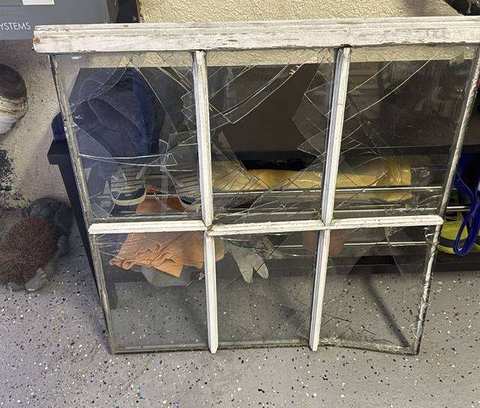 Before
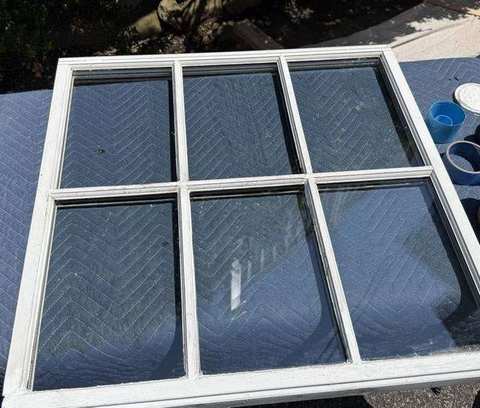 After
AfterThe structure designed
to hold water.
Nobody sets out to build a rot machine, but a pergola comes close by accident. Look up through one: rafters crossing beams, beams seated over posts, purlins over rafters — a grid of flat, horizontal, interlocking wood whose every intersection is a notch, a seat, or an overlap. When it rains, each of those intersections becomes a shallow dish. The sun dries the open spans in hours; the shaded, tight-fitting joints hold their water for days. Wood that stays wet past the fungus's threshold rots — so the structure decays precisely at its connections, the places doing the structural work, while the lumber between them stays sound enough to build with. Patio covers repeat the pattern and add a ledger bolted to the house, where one failed strip of flashing feeds water into cover and wall alike. Understanding this is the whole diagnosis: your patio structure isn't dying. Its joints are drowning, one dish at a time — and joints can be rebuilt.
Repair follows the connections
Because decay maps to joints, repair maps to them too. Post bases — the splash-zone casualties — get the structural classic: span supported, rot cut back, a matched section spliced in and re-set on a standoff so end grain finally gets out of the puddle. Beam seats and rafter notches where fiber survives are re-hardened in place with penetrating epoxy consolidation and rebuilt to profile; sections past saving are cut out and replaced with matched wood, joined and reinforced for the spans they carry. The ledger line gets opened, dried, repaired, and — non-negotiably — properly flashed. Where a dozen small purlins have gone soft, we'll say plainly that replacing them in kind beats heroic repair; honesty about that boundary is why the estimate reads member by member. What never happens is the lazy leap from "some joints failed" to "demolish the structure" — the five-figure answer to a joinery problem.
Outsmarting the design, not just renewing it
Rebuilding the wood and stopping there would put the same dishes back under the same rain. So the second half of every patio repair is detail correction: joint pockets pitched or capped to drain, metal flashing over the water-catching horizontals, end grain flooded with sealer, hardware holes bedded, post bases elevated. None of this changes how the structure looks from a lawn chair; all of it changes how long it lasts. It's the same cause-first philosophy behind everything RotGone repairs — rot that stays dry stays dead — applied to the most weather-exposed carpentry a home owns.
Refinished, so the save doesn't show
The last step is the one your neighbors notice: refinishing. New splices and epoxy rebuilds take finish differently than twelve-year-old lumber, so we refinish repaired structures as a whole — surfaces prepped, repairs blended, then paint or penetrating exterior finish applied to every face including the tops and cut ends nobody sees from below. The pergola reads as one structure again, not a patchwork, and the finish film becomes part of its weather defense. Homeowners in Livingston, Chatham, Summit, and West Caldwell have kept their outdoor rooms this way for about 80% less than rebuilding — fully insured crew, 5-year workmanship warranty, photos answered the same day, assessment within 1–2 days, repairs done within 1–2 weeks. The structure that shades your summers has years left in it. Let the joints prove it.
Pergola, patio cover & outdoor structure rot repair for Livingston, Chatham, Summit, West Caldwell, Madison & northern NJ · Mon–Fri 8:00 AM – 6:00 PM · (973) 564-0958
Tearing down a pergola or patio cover whose failure is a handful of joints and post bases — then rebuilding the same design flaws.
Sound spans hauled to the dumpPosts spliced, seats consolidated, flashing added, structure refinished — 80% less than rebuilding, with our 5-year workmanship warranty.
Same structure, smarter detailsProbe every pocket.
Rebuild the ones that failed.
Audit the water traps
Every notch, seat, post base, and the ledger line gets probed. You get a map of what's sound, what's soft, and what's structural.
Onsite within 1–2 daysSplice, consolidate, reinforce
Post bases spliced onto standoffs, beam seats epoxy-consolidated, decayed lengths cut out and rebuilt with matched wood — spans supported throughout.
The structural daysFlash, seal & refinish
Water-catching horizontals get flashed or capped, end grain sealed, then the whole structure is refinished so the repair and the original age together.
1–2 weeksPrefer to talk first? Call (973) 564-0958 — Mon–Fri, 8 AM–6 PM.
Standing water, standing structure —
the honest answers.
Why is my pergola rotting when it's built from 'exterior' lumber?
Because "exterior-rated" describes the wood, not the design — and pergola design is unusually good at defeating good lumber. A pergola is a lattice of horizontal members: beams notched over posts, rafters notched over beams, purlins over rafters. Every one of those notches and overlaps is a flat-bottomed pocket where rainwater sits, shaded from the sun that would dry it. Treated and rot-resistant lumber slows decay; it doesn't survive permanent puddles, especially at cut ends and notches where cutting exposed untreated core and open end grain. Add fasteners that channel water into bolt holes, and posts whose bases meet the patio slab in a splash zone, and the timeline writes itself: eight to fifteen years in, the joints go punky while the long clear spans between them stay sound. That split — rotten joints, healthy spans — is exactly why repair beats demolition on most pergolas we assess. The structure isn't failing; its pockets are.
Which parts of a patio cover or pergola fail first?
The water tells you: everything that holds it, fails. First to go are the joint pockets — the notches where rafters cross beams and beams seat over posts, each one a small reservoir after every rain. Close behind come post bases, standing in splash-back on the slab and wicking through end grain, particularly posts set directly on concrete without a standoff. On solid-roof patio covers, add the ledger and flashing line where the cover ties into the house — a failed flashing there quietly feeds rot into both the cover and the house wall — and the fascia and outer beam edges, which catch runoff from the roofing. Horizontal top rails and built-in benches round out the list. What fails last, or never, is the long clear lumber between joints. Photograph the notches, the post bases, and the ledger line and text them to (973) 564-0958 — those three shots usually tell us the same day whether you're looking at repair or rebuild.
Can a rotted post or beam be repaired, or does the whole structure come down?
Almost always repaired — the same structural playbook we use on porch columns scales directly to patio structures. A rotted post base gets the classic treatment: the span above is temporarily supported, the decayed section is cut back to sound wood, and a matched section is spliced in with proper bearing — set on a standoff detail this time, so end grain no longer touches wet concrete. A beam rotted in its seat or notch is repaired in place where fiber survives, using penetrating epoxy consolidation to re-harden the pocket, or has the decayed length cut out and a new section spliced and reinforced where it doesn't. Rafters and purlins, being smaller and numerous, are sometimes more economical to replace individually in kind — we'll tell you honestly when that's the case. Full demolition earns its place only when decay owns most joints at once on an undersized frame. Every repair carries our 5-year workmanship warranty, and the estimate names the method member by member.
What stops the same joints from rotting again in a few years?
The rebuild has to outsmart the design, not just renew the wood — so every repair includes correcting the details that trapped water in the first place. Repaired notches and seats are shaped and sealed so they shed instead of pool: end grain gets flooded with penetrating sealer, joint pockets get pitched or capped, and metal flashing goes over the water-catching horizontals where it belongs — a detail most original builds skipped. Post bases are re-set on standoffs above the slab. Then comes the finish system, which on an exposed structure is not cosmetic: primer and paint or penetrating exterior finish on every surface, including the cut ends and undersides nobody sees, renewed as maintenance thereafter. Cured epoxy repairs themselves are essentially rot-proof — the fungus can't digest them — so the vulnerable zones are the original wood around them, and that's exactly what the drainage details and finish protect. That combination is what lets us stand behind exposed outdoor work with a 5-year workmanship warranty.
What does patio structure repair cost, and what's the timeline?
Repair prices track the members that failed, not the structure's footprint — which is why the numbers land so far below replacement. Demolishing and rebuilding a pergola or patio cover is a five-figure project once posts, framing, roofing, and finishing stack up; splicing two post bases, consolidating the beam seats, and reflashing a ledger is a different universe of cost, typically about 80% less. Our written estimate shows both figures side by side, per our standard practice, so the keep-or-rebuild decision is made with real numbers. Timeline runs on our usual rhythm: photos of the joints and post bases answered the same day; onsite assessment within 1–2 days, where we probe every joint pocket and check the ledger; repairs complete within 1–2 weeks of approval, usually two to four working days on site depending on how many members are involved. Refinishing adds finish-cure days at the end. Fully insured crew, Mon–Fri 8:00 AM – 6:00 PM.
Every structure the yard throws at us.
Send us a photo — get a real answer today
Tell us what's going on and attach a picture of the damage. We'll tell you honestly whether it's rot, whether it can be repaired, and roughly what it costs.
Built for shade.
Rebuilt to shed water.
Photograph the joints and post bases before another season stands water in them. Same-day answer, member-by-member scope, and both numbers in writing.