Sunroom Wood Rot Repair
A sunroom is glass, wood, and weather on three sides — the hardest job any wooden structure on your house is asked to do. When its sills, mullions, or base plates go soft, we trace the leak, rebuild the wood, and save the room for about 80% less than a rebuild.
replacement
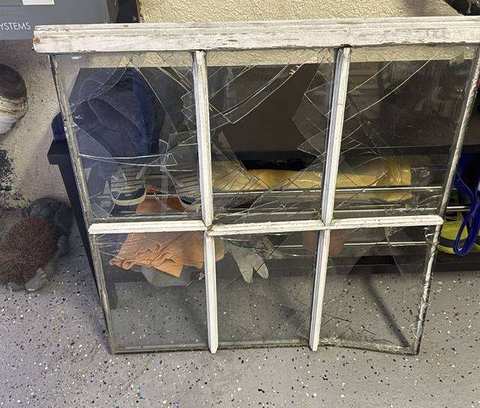 Before
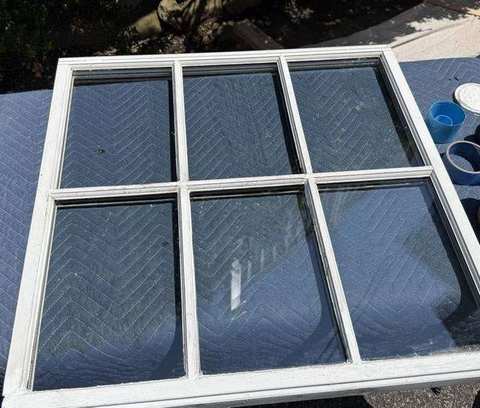 After
AfterThe favorite room
with the hardest job.
Ask a family which room they'd save first and the sunroom makes a surprising number of lists — morning coffee, winter light, the place the house feels most generous. Now consider what that room endures. Three of its four sides face the weather. Its walls are mostly glass, so the wood holding everything up is reduced to a slender lattice — mullions between panes, sills beneath them, a base plate carrying the whole assembly at floor level — with running feet of glass-to-wood joints that all must stay sealed to keep water out. Its roof meets the house at a junction that flashing has to defend forever. And inside, sun-warmed glass sheds condensation onto the sills every cool morning of the year. No other wooden structure on the property works this hard with this little margin. So when rot arrives — and on sunrooms it arrives early — the question isn't whether the room was badly built. It's whether you repair the few wet points doing all the suffering, or let someone talk you into demolishing the family favorite.
The three members that take the damage
Sunroom rot concentrates with remarkable discipline. Sills go first: they're horizontal, they catch rain from outside and condensation from inside, and their joints with the verticals open just enough to drink. Mullion bases go second: each post stands on end grain — a bundle of straws set on a wet shelf — and wicks moisture upward, so the posts rot from the bottom while looking sound at eye level. Base plates go third and worst: sitting at floor level, often near grade, catching splash-back and anything the sills and posts pass down, they can decay for years behind trim before anyone notices. The roof junction and door thresholds round out the list. What almost never rots is the bulk of the frame — which is exactly why the teardown quote deserves suspicion, and why targeted repair works: the sick members are few, known, and reachable.
Repairing a skeleton that holds glass
Structural repair in a sunroom has a constraint decks and fences never impose: everything we rebuild is holding panes of glass in alignment. That shapes the craft. We support and sequence the work so glazing stays seated while a sill section comes out; we rebuild bearing surfaces to exact original dimensions so mullions land where they always did; and we choose methods by member — epoxy consolidation for softened sill runs still doing their job, dutchman splices for post bases and plate sections that are gone, full replication when a member is past both. Every glass-to-wood joint we touch gets its glazing seal renewed on the way out, because those seals are the sunroom's first defense. It's window-restoration precision applied to a room-sized frame — which is, not coincidentally, exactly the combination of trades RotGone practices.
The rebuild quote versus the repair math
Sunroom teardowns are five-figure projects before the new room is even designed. Rebuilding the wet points — tracing the leak, splicing the bases, consolidating the sills, correcting the flashing — typically lands about 80% below that, on the same written estimate that shows you both numbers. Homeowners in Livingston, Chatham, Summit, and West Caldwell have kept their sunrooms this way with us — fully insured crew, 5-year workmanship warranty, photos answered the same day, assessment within 1–2 days, repairs done within 1–2 weeks. The room that holds your best mornings is nearly always savable. Send the photos before another season of water gets its say.
Sunroom wood rot repair for Livingston, Chatham, Summit, West Caldwell, Millburn & northern NJ · Mon–Fri 8:00 AM – 6:00 PM · (973) 564-0958
Demolish and rebuild the sunroom — proposed for structures whose rot lives in the joints and sills, not the frame.
A room demolished for its wet pointsLeak traced and sealed, sills and bases rebuilt, glazing renewed — 80% less than rebuilding, with our 5-year workmanship warranty.
Same room, dry againFind the water first.
Then fix the wood.
Trace the water path
The rot pattern is a map. We follow it back from the damage to the entry point — flashing, glazing seal, joint, or grade — before planning any carpentry.
Onsite within 1–2 daysRebuild the wet points
Consolidated sills, spliced mullion bases, replicated plate sections — conservation-grade repair on exactly the members the water reached.
Scoped per sectionSeal & weatherproof
Flashing corrected, glazing joints renewed, finishes restored. The water path closes for good — that's what the 5-year warranty is standing on.
1–2 weeksPrefer to talk first? Call (973) 564-0958 — Mon–Fri, 8 AM–6 PM.
Three walls of weather,
answered honestly.
Why do sunrooms rot so much faster than the rest of the house?
Because a sunroom is the most exposed wooden structure most homes own. A regular wall faces weather on one side; a sunroom takes it on three, plus a roof that's often lower-pitched and junction-heavy where it meets the house. Its walls are mostly glass, which means the wood that remains — mullions, sills, base plates — is a thin skeleton doing all the structural and weatherproofing work along dozens of feet of glass-to-wood joints, every inch of which is a potential leak. Sunrooms also live hard thermally: glass heats the interior, condensation streams down the panes onto the sills morning after morning, and the room cycles damp-warm-cold in a way framed walls never do. Add the fact that many sunrooms were built as additions — with junction flashing that was an afterthought — and you get the pattern we see constantly: a fifteen-year-old sunroom with rot its fifty-year-old house doesn't have. It's not bad luck; it's geometry and physics.
Where should I look for rot in my sunroom?
Follow the water down. Start at the sills under the glass — the horizontal shelves that catch both exterior rain and interior condensation; press the corners where sill meets mullion, since joints fail first. Check the mullion bases, where each vertical post lands on the sill or base plate: end grain sitting on a wet horizontal surface is a wick, and rot climbs from the bottom up. Inspect the base plate — the wooden foundation ring at floor level, often hidden behind interior trim; peeling paint, dark staining, or a musty smell along the floor line are its distress signals. Look hard at the roof junction where sunroom meets house wall, inside and out: stains on the ceiling or streaks below the connection mean flashing has failed and water is running inside the structure. And check door thresholds into the sunroom. Photograph anything soft, stained, or bubbled and text it to (973) 564-0958 — we'll read the pattern the same day.
There's a leak somewhere but I can't find it. Can you?
Finding it is the first half of our job — and honestly the half that separates a lasting repair from a repeat customer nobody wanted to be. Sunroom leaks are deceptive because water travels: a drip appearing at a sill corner may enter at the roof junction six feet away and run inside a mullion before it shows itself. The rot itself is our map — decay marks where water lingers, so the damage pattern points back along the path to the entry. During assessment we trace that path: roof-to-house flashing, glazing seals along each pane, joints between sills and posts, and the base plate's relationship to grade and splash-back. Then the repair fixes both ends — the entry point gets sealed or reflashed, and the rotted wood gets rebuilt. Repairing rot while leaving its leak alive is the sunroom industry's most common malpractice; the new wood simply queues up to rot next. We warranty our work for five years precisely because we fix causes, not just casualties.
A contractor said the whole sunroom should come down. Is that ever true?
Rarely — and far less often than it gets said. "Tear it down" is the answer you get from contractors who build sunrooms for a living, the same way "replace them all" is what window salesmen say about repairable windows. The structural reality is usually much better than the cosmetics suggest: rot concentrates at joints, bases, and sills — the wet points — while the majority of the framing stays sound. Those wet points are exactly what targeted repair rebuilds: consolidated sill sections, spliced mullion bases, replicated plate sections, renewed glazing seals. A teardown is genuinely warranted only when decay has spread through most of the frame and the flaws are architectural — chronically trapped water the design can't shed. That's a small minority of the sunrooms we assess. Our estimate settles it with numbers instead of instincts: the repair scope priced line by line beside a realistic rebuild figure, so you can see exactly what "save it" costs against "start over." In most cases it's about 80% less.
How long does sunroom rot repair take, and can we keep using the room?
Most sunroom repairs run on our standard rhythm: photos answered the same day, an onsite assessment within 1–2 days that traces leaks and probes the frame, and the repair itself completed within 1–2 weeks of approval. On-site time depends on how many wet points need rebuilding — a couple of sill sections and a mullion base is typically two to three working days; a base-plate splice with reflashing runs longer. The room usually stays usable through most of the work: we sequence repairs one section at a time, keep the envelope weathertight at the end of each day, and protect floors and furnishings while wood, epoxy, and finishes go in. Glass stays in place except where a repair requires lifting a unit out, and we never leave an opening unsecured overnight. The crew is fully insured, the work carries our 5-year workmanship warranty, and we schedule Mon–Fri 8:00 AM – 6:00 PM — with the season in mind, since fall repairs beat winter discoveries.
Where glass meets wood, we work.
Send us a photo — get a real answer today
Tell us what's going on and attach a picture of the damage. We'll tell you honestly whether it's rot, whether it can be repaired, and roughly what it costs.
Don't let a leak
take the whole room.
Send photos of the stains and soft spots. We'll trace the water, price the repair against a rebuild, and give you the honest answer the same day.