Window Soundproofing
Traffic, trains, flight paths, the neighbor's dog at 6 AM — most of it comes through your windows. We quiet them in place: sealed gaps, laminated glass, interior panels. No replacement required.
defense
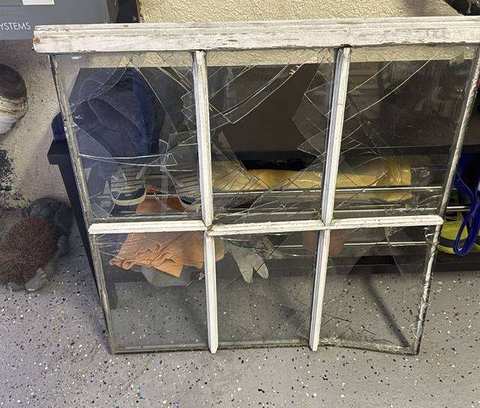 Before
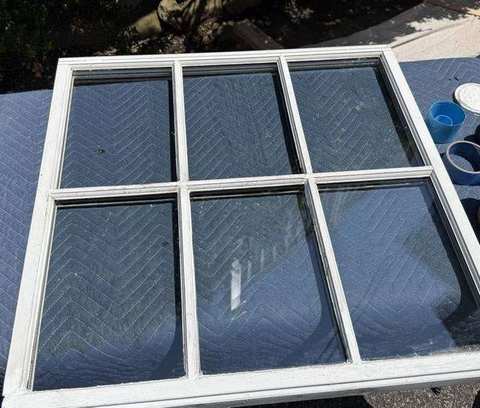 After
AfterNoise is a leak.
We fix leaks for a living.
A window is the acoustic weak point of every exterior wall — a thin, rigid membrane set into a frame full of joints, in a wall otherwise made of layered, heavy, gap-free construction. Sound exploits both weaknesses at once. It slips as air through every gap the seasons have opened: flattened weatherstripping, sashes that no longer seat, shrunken trim joints. And it passes through the glass itself, which picks up vibration on the street side and replays it on yours, faithfully, all night. Understanding those two routes matters because they need different fixes, and because the fix almost never needs to be a new window — a truth the replacement industry, which markets "quiet" as a feature of $23,000 projects, is in no hurry to volunteer.
Our approach comes straight from our repair DNA: diagnose which route dominates, fix it in place, spend your money in the order that physics rewards. In practice that means the airborne leaks get sealed first — it's the least expensive step and everything else is wasted without it — then the glass gets upgraded where the leak-sealing isn't enough, then the rooms that truly matter get the heavy artillery of a second glazing line. Every step uses the window you already own. Homeowners along the highway corridors in Wayne and near the rail lines through Millburn and Summit have gotten quiet bedrooms this way for a fraction of the replacement quotes taped to their refrigerators.
An honest word about expectations
Soundproofing is a field full of overpromises, so here is our under-one: no window treatment makes a room silent. What good acoustic work does is reduce — taking the edge and information out of noise until it stops commanding attention: traffic that fades from presence to background, voices that lose their words, the 6 AM rumble that no longer reaches into sleep. How far down the noise comes depends on how bad the leaks were, which layers you add, and what the noise is — steady mid-frequency traffic responds dramatically; deep low-frequency rumble is the stubbornest and is exactly why the interior-panel option exists. We'll tell you at assessment which result your situation and budget can honestly reach, before you spend anything reaching for it.
In order of dollars —
and of physics.
Seal the gaps
Sound rides air. Worn weatherstripping, loose sashes, and unsealed trim leak noise the same way they leak drafts — sealing them is the cheapest quiet you can buy, and it's where we always start.
Upgrade the glass
Laminated glass — two sheets bonded around a damping interlayer — absorbs vibration ordinary panes pass straight through. We fit it into your existing sashes as an IGU or single-pane upgrade.
Break the symmetry
Two identical panes resonate together. An asymmetric IGU — different glass thicknesses on each side of the spacer — interrupts that coupling and performs noticeably better against traffic rumble.
Add an interior panel
A secondary glazed panel inside the existing window creates a deep air space — the single most effective acoustic move available, and the original window stays untouched.
Not sure which layer you need? That's the assessment's job — book it free, and we'll start with the cheapest fix that works.
Three steps to a room
you can sleep in.
Let us hear it
A phone video by the closed window — the noise, the window, the room. We'll identify the likely route in and answer the same day.
Answer same dayTrace the routes
Onsite we check seals, sash fit, glass type, and trim joints window by window, then propose layers in cost order — sealing before glass, glass before panels.
Within 1–2 daysInstall the layers
Weatherstripping and tuning, laminated or asymmetric units into existing sashes, interior panels where the job demands them. Room by room, quietest first.
1–2 weeksQuestions first? Call (973) 564-0958 — Mon–Fri, 8 AM–6 PM.
Quiet questions,
straight answers.
Can windows really be soundproofed without replacing them?
Yes — and in most houses the window frame was never the problem. Noise enters through two routes: air paths (gaps around sashes, worn weatherstripping, unsealed trim) and the glass itself, which vibrates like a drumhead and re-radiates sound into the room. Both routes are serviceable in place. Air paths close with the same sealing and tuning craft we use on every window we touch; the glass route improves by swapping what's in the sash — laminated panes, asymmetric insulated units — or by adding an interior panel that puts a second glazing line and a deep air gap between you and the street. The frame, trim, siding, and interior finishes all stay. Full-window replacement adds little that these measures don't, because a replacement window's acoustic performance also comes down to its glass and its seals — you'd be paying for a new frame that contributes almost nothing to the quiet.
What is laminated glass, and why does it matter for noise?
Laminated glass is two sheets of glass permanently bonded to a clear polymer interlayer — the same construction as a car windshield. For sound, the interlayer is the trick: where a solid pane rings and passes vibration through, the soft layer between laminated sheets damps it, converting acoustic energy to tiny amounts of heat instead of re-broadcasting it into your bedroom. The improvement is most noticeable exactly where New Jersey homeowners need it — the mid frequencies of traffic, voices, and general street noise. Laminated glass can go into your existing windows two ways: as one lite of a new insulated glass unit (our standard recommendation for double-pane windows — see IGU replacement), or as a single-pane swap in older sashes. It also brings side benefits: the interlayer blocks most UV fading, and laminated panes hold together when broken rather than shattering — a security and safety upgrade riding along free.
We're near a highway / under a flight path. What actually works?
Sustained transportation noise — the Route 46 and I-80 corridors through Wayne, rail lines through Millburn and Summit, approach paths crossing the region — calls for layered defense, because it arrives broadband and around the clock. The sequence that earns its money: first seal, because any air gap short-circuits every other measure; a quarter-inch of missing weatherstripping undoes expensive glass. Then mass and damping at the glass — laminated, asymmetric units in the existing sashes. Then, for the rooms that matter most, depth: an interior glazed panel spaced well inside the primary window, since a wide air gap between glazing layers is what attacks the low-frequency rumble that thin double glazing barely touches. We'll tell you honestly which layer your situation needs — plenty of "highway noise" calls end at the sealing stage, at a fraction of what the homeowner expected to spend, and we'd rather sell you the layer that works than the package that impresses.
Will soundproofing upgrades change how my windows look or work?
Sealing work is invisible — weatherstripping lives in the closed joints, and a tuned sash simply closes tighter than it did. Glass upgrades are nearly invisible: laminated and asymmetric units fit the existing sash the way the old glass did, and from either side of the window the difference is undetectable to anyone who isn't looking for a slightly different reflection. The window opens, closes, and locks exactly as before — we tune the hardware as part of the job, so usually better than before. Interior panels are the visible option: a slim glazed frame mounted inside the window reveal. On historic windows this is often the preservation-preferred answer, because the original sashes and wavy glass stay completely untouched — relevant in districts like Summit and Millburn where exterior alterations need approval and interior ones don't. Panels can be fixed, operable, or removable by season, and we size them to sit quietly inside the existing trim lines rather than on top of them.
What does window soundproofing cost, and where should I start?
It scales with the layer, which is why the honest starting point is a diagnosis rather than a package. Sealing and tuning is a modest per-window service — the least expensive thing on this page and the one with the highest value per dollar. Laminated glass upgrades are priced per opening by size and specification, in the same range as our other glass replacement work. Interior panels are priced per opening as well, driven by size and whether they operate. Everything lands far below the replacement-window project that noise complaints tend to trigger — consistent with the roughly 80% pattern across our repair work, and with the added advantage that you spend room by room: most homeowners treat the bedrooms first and stop when the house is quiet enough. The path in: text a video from the noisy room to (973) 564-0958 — hold the phone by the closed window so we can hear what you hear. Answer the same day, assessment within 1–2 days, work complete within 1–2 weeks, 5-year workmanship warranty on the workmanship.
The services behind
the silence.
The street can keep its noise.
Your bedroom doesn't have to.
Send a video by the closed window and we'll tell you which layer of quiet your house needs — starting with the least expensive one that works.