Interior Door Repair
The door that won't latch, the one that rubs, the one that drifts open during dinner — every interior door in the house, tuned in one visit. And the old solid ones? Those we treat as the assets they are.
replacement
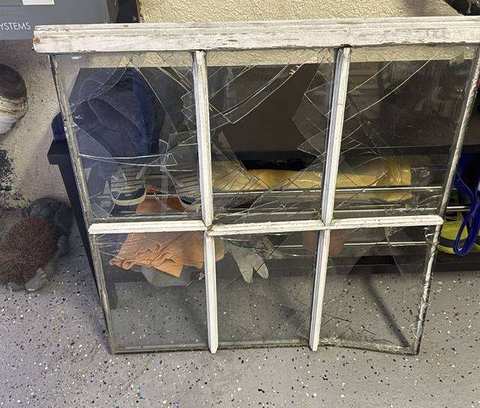 Before
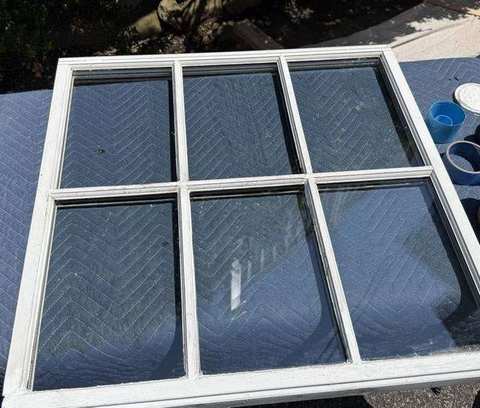 After
AfterInterior doors fail politely.
That's why they stay broken.
No interior door failure ever forces the issue. The bathroom door that needs a shoulder, the bedroom door that won't stay shut, the closet door that scrapes its arc into the floor finish — each one gets a workaround inside a week and a permanent place in the household choreography. Guests learn the trick with the handle. Kids learn which doors slam themselves at night. And because nothing leaks and nothing costs money yet, the doors stay on the someday list for years. The case for fixing them is quality-of-life arithmetic: a house where every door closes with two fingers, latches with a click, and stays where it's put simply feels better to live in, every single day, for the price of one modest service visit.
What actually goes wrong indoors
Interior doors live an easier life than exterior ones — no rain, no rot, no sun — so their failures are almost purely mechanical, which is good news: mechanical failures are cheap to fix. Hinges loosen over decades of swings, especially the top hinge, which carries the door's lean; loose hinges cause most sagging, rubbing, and latch-miss complaints at once. Strikes drift out of alignment as the door drops, turning latching into slamming. Frames rack subtly as houses settle, tipping reveals out of even. Panels and joints in older solid doors loosen when paint locks a floating panel or a century of slams works a tenon loose — bench repairs, and satisfying ones. Hardware wears: mortise locks gum up, knob spindles strip, ball catches fatigue. Nothing on that list justifies a new door; everything on it appears in our standard tune-up kit.
A word for the hollow-core generation
Not every interior door is a treasure, and we won't pretend otherwise. A dinged 1990s hollow-core slab is a commodity; when one is genuinely wrecked — punched through, delaminated, soaked — replacement is often the sensible call, and we'll say so (that decision framework lives on our door replacement page). But "wrecked" is rarer than people assume: most hollow-core complaints are the same hinge-and-strike geometry as everything else, fixable in minutes once the tools are out. The doors we'll actively argue you into keeping are the solid pre-war originals — the ones whose material and joinery outclass anything at the lumberyard. Between those poles, the rule is the house rule everywhere at RotGone: fix the part that failed, replace only what's truly gone, and show you the numbers either way.
Interior door repair across Maplewood, Montclair, Glen Ridge & northern NJ · West Caldwell, NJ · Mon–Fri 8:00 AM – 6:00 PM · (973) 564-0958
Count the misbehaving doors.
Then retire the list.
Walk the house
Note every door that rubs, rattles, won't latch, or wanders — and video the worst one. Send it over for a same-day read and a single quote for the lot.
Answer same dayOne tune-up visit
We work the list room by room: hinges re-anchored, strikes aligned, reveals evened, swings trued. Most lists finish in a single visit.
Within 1–2 daysThe keepers, restored
Solid old doors needing joint or panel work get proper bench repair — glued, clamped, and returned to their hinges, not to a landfill.
1–2 weeksPrefer to talk first? Call (973) 564-0958 — Mon–Fri, 8 AM–6 PM.
Little failures,
properly explained.
My bedroom door won't latch — you have to slam it. What's wrong?
The latch is missing its strike plate — usually by a sixteenth of an inch, which is all it takes. Doors move: hinge screws work loose in old wood, seasonal humidity shifts the frame, the house itself settles a hair. The latch bolt then arrives slightly above, below, or short of the strike opening, and the door needs a slam to force the geometry. The fix is alignment, and it's quick in skilled hands: tighten or re-anchor the hinges (often into longer screws that bite the stud, not just the jamb), and adjust or re-mortise the strike so the bolt drops home with a click. What we don't do is the shortcut you'll find online — filing the strike opening bigger — because a strike filed sloppy lets the door rattle in its frame forever after. A door that latches with two fingers is the spec; anything less is still broken.
The door rubs the frame at the top corner. Does it need to be planed?
Probably not — and planing first is the classic way to ruin a good door. A door that rubs at the top latch corner has almost always sagged on its hinges: the top hinge's screws have loosened their grip and the door has pivoted down a few degrees, throwing the far corner into the frame. Plane that corner and the door fits — until winter, when the wood shrinks and you own a door with a visible gap and a chewed edge. The correct order is geometry first: re-anchor the top hinge with screws long enough to reach framing, shim hinges if the frame itself is out, and check the door's reveal — the gap around all four edges — until it's even. Only when the reveal is even and the door still touches does the plane come out, taking a whisker where the wood has genuinely swollen or moved. Most rubbing doors in our experience never meet the plane at all.
Are old solid-wood interior doors worth repairing, or should I just buy new ones?
If you own pre-war solid doors, you own something the home-center aisle cannot sell you back. A 1920s interior door in a Maplewood colonial is solid old-growth wood, mortise-and-tenon joined, with raised panels milled — not molded — and it has already proven it can survive a century. Its modern hollow-core "equivalent" is two sheets of skin over a cardboard grid, and even today's stock solid doors use faster-grown, less stable wood. Repairs on old doors are genuinely worth it: loose joints re-glued and clamped square, split panels repaired (panels float in their frames by design — a split usually means paint locked the panel and the wood tore itself; we free and mend it), edges eased, mortise locks serviced. There's also the matching problem: one new door in a hallway of originals never matches — panel proportions, sticking profiles, and proportions are all subtly off. Restoring the original keeps the hallway coherent and the material quality in the house. It's the same logic as our historic door restoration work, one notch less formal.
Can you fix a door that swings open or closed by itself?
Yes — and the ghost is geometry, not the house settling into haunting. A door swings on its own when its hinge pins aren't stacked plumb: lean the axis a few degrees and gravity pulls the door around the arc, open or closed depending on which way the axis tips. It usually arrives after a hinge has been shimmed carelessly, a frame was set slightly out of plumb, or one hinge's screws have crept. The repair is truing the axis: adjusting hinge positions with shims or deeper mortises until the pins line up plumb and the door rests wherever you leave it. It's an afternoon nuisance fix with a satisfying before-and-after — a door that stays exactly where it's put — and it's typically bundled into the same visit as the house's other door complaints; once we're there, each additional door is quick work.
Is a service call really worth it for interior doors?
Worth it — if you batch them, which is how we quote. A single sticking door is an irritation; the honest economics arrive when you list every door in the house that rubs, rattles, won't latch, or won't stay put — most homes we visit in Montclair and Glen Ridge have four to eight once someone counts. One visit covers the list: hinges re-anchored, strikes aligned, reveals evened, stops adjusted, the squeaks oiled and the swingers trued. Priced as one tune-up visit rather than per-door crises, it comes to less than replacing a single decent door slab, let alone several — the 80%-less pattern of our work applied at its most domestic scale. The visit is scheduled within 1–2 days of your note, most lists are finished the same day, the crew is fully insured, and the workmanship carries our 5-year workmanship warranty. Text the list — or a video of the worst offender — to (973) 564-0958 and get an answer the same day.
Beyond the bedroom door.
Send us a photo — get a real answer today
Tell us what's going on and attach a picture of the damage. We'll tell you honestly whether it's rot, whether it can be repaired, and roughly what it costs.
Every door in the house,
behaving — by Friday.
Send the list and a video of the worst door. One visit, one modest bill, and the nightly slam-to-latch ritual is over.